Nut intake during pregnancy was associated with improved cognitive outcomes in children
A recent study published in European Child & Adolescent Psychiatry found that higher nut intake during the first trimester of pregnancy was associated with less risky decision-making in preadolescent children.
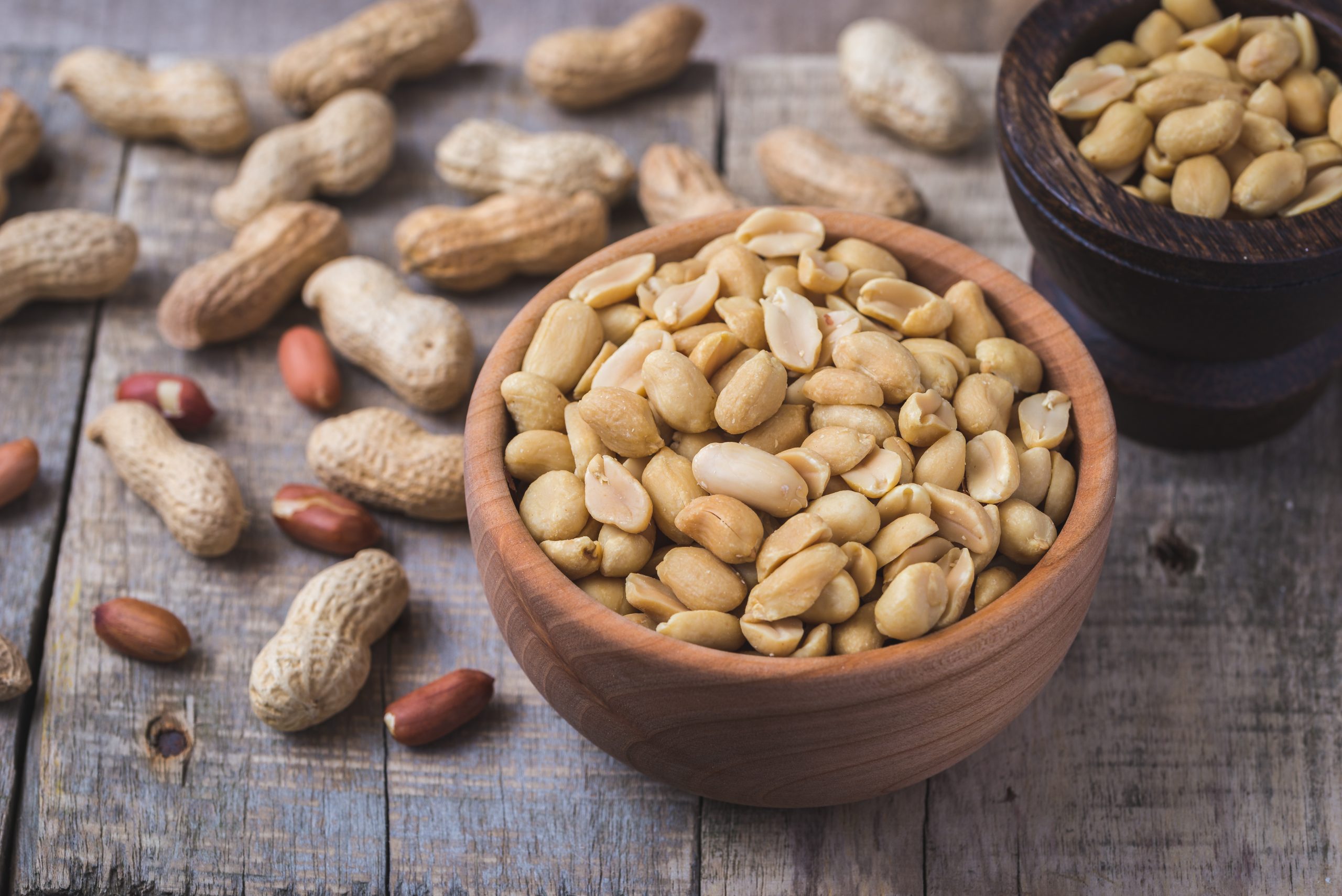
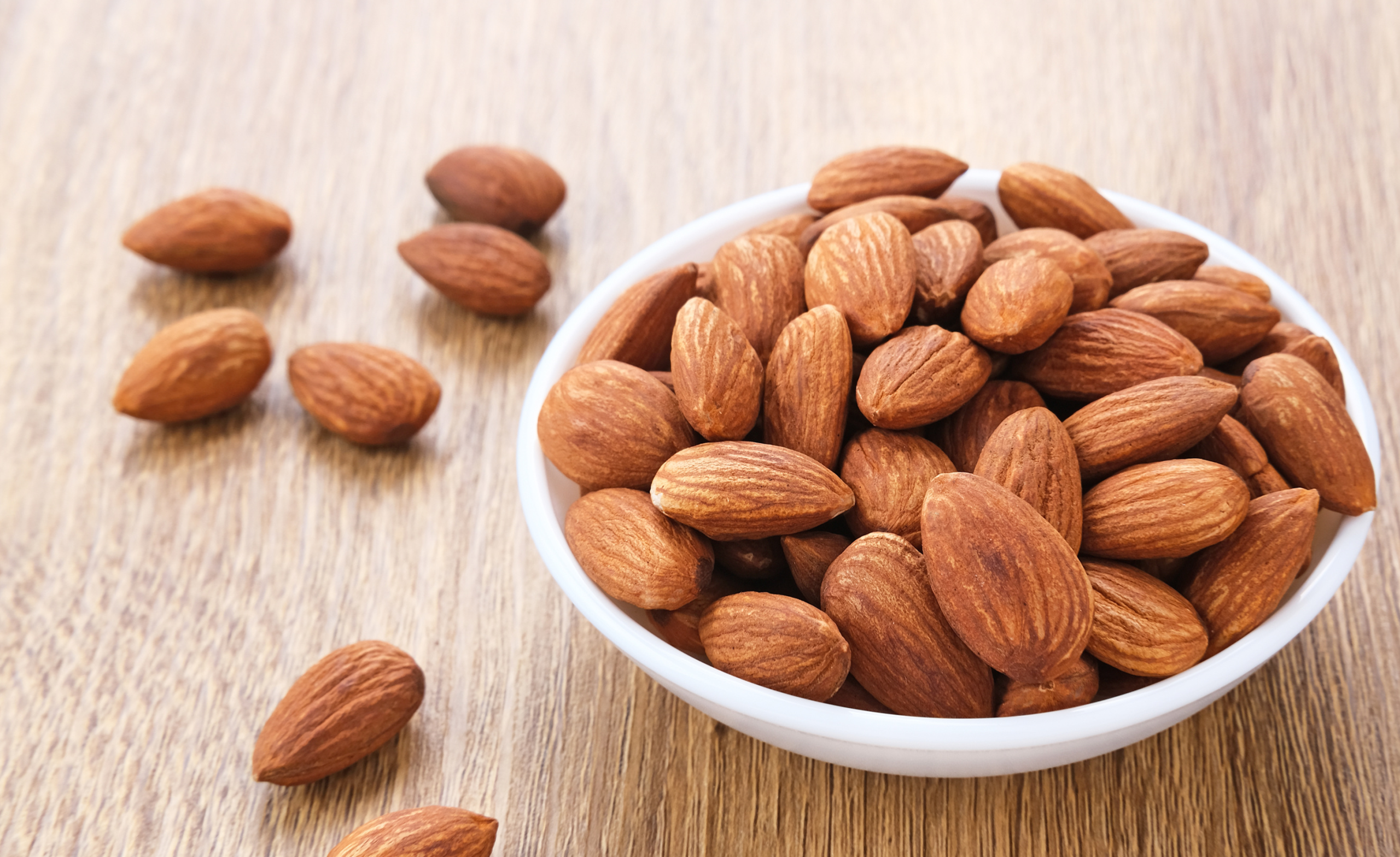
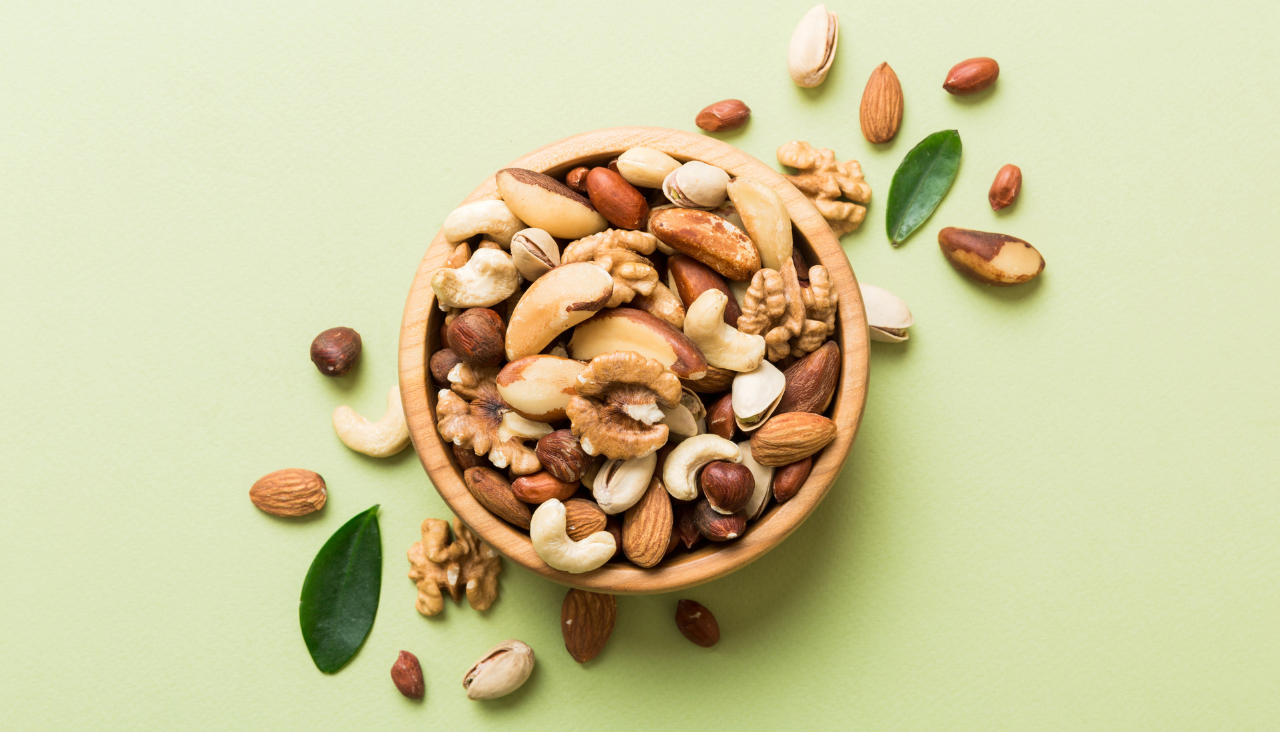
This population-based birth cohort study investigated the association between pregnant women’s consumption of nuts during the first trimester of pregnancy and risky decision-making in their preadolescent children. Researchers followed 1,386 mother-child pairs and assessed maternal diet using a validated food frequency questionnaire. Neuropsychological testing at age 11 showed that children whose mothers consumed the most total nuts —including walnuts, almonds, peanuts, pine nuts, and hazelnuts— had significantly lower scores on a risky decision-making task than those whose mothers consumed the least nuts.
The results suggest a potential protective role of nuts in the development of complex cognitive functions related to risk assessment and behavior. These findings add to a growing body of evidence on the importance of maternal nutrition for child neurodevelopment.
The California Walnut Commission provided funding for this study.
Rivera, M. R., Pinar-Martí, A., Babarro, I., Ibarluzea, J., Vioque, J., Llop, S., Fernández-Somoano, A., Tardón, A., Pascual-Rubio, V., Fabregat-Sanjuan, A., Fernández-Barrés, S., Romaguera, D., Guxens, M., & Julvez, J. (2025). Maternal nut and fish consumption during pregnancy and child risky decision-making at 11 years old. European Child & Adolescent Psychiatry, 10.1007/s00787-025-02750-5. Advance online publication.