
Social Compliance in the Nut and Dried Fruit Industry
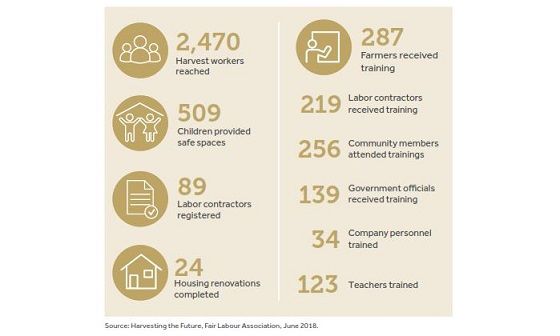
The XXI century is defined, among other things, for society making an effort to try to leave a better planet for the next generations. It’s not only about recycling, reducing and re-using. It’s much more. It’s also about changing the paradigm and believing that another type of business can be done.
The Potential for Nanotechnology in the Food and Agriculture Industry

Nanotechnology is the understanding and manipulation of material at the nanoscale (typically 1-100 nm) to provide new products with special properties. Nanotechnology can benefit the food industry mainly in the areas of agriculture, packaging and health supplements.
Australian Wild Origins of Macadamia Domestication in Hawaii
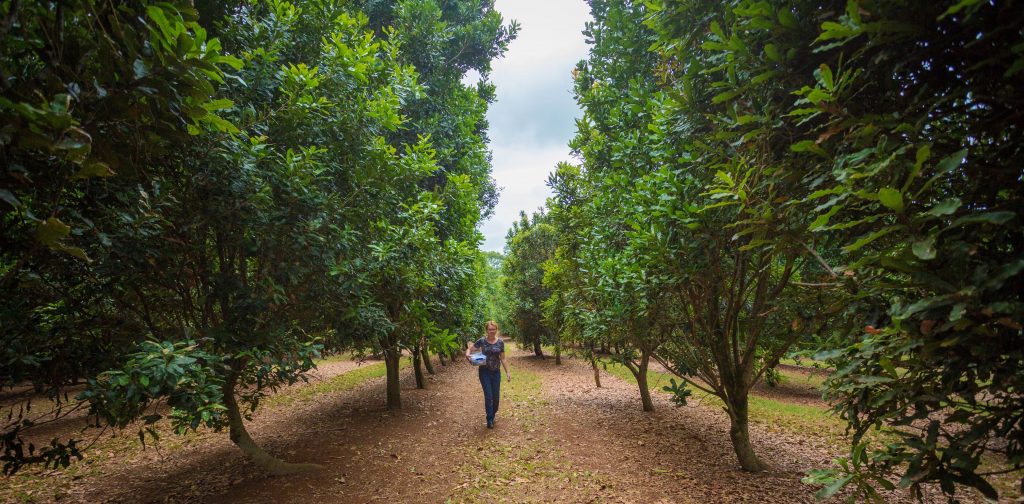
Macadamia is native to Australia but most of the world’s cultivated macadamia trees were bred in Hawaii from seed collected in Australia in the late 19th century. Recent genetic research suggests that the global macadamia industry originated from a site near Gympie in Queensland and possibly a single tree.
Taking the “Labor” out of Selecting a Third-Party “Labor”atory

The need for a third-party laboratory is almost a must in today’s marketplace. If you are a food processor, you know that many customers buying food products, regulations, and most Global Food Safety Initiative (GFSI) benchmarks require testing. You want to have the confidence that your testing is getting done quickly, and done right the first time. But finding the right fit for your company is easier said than done.
Improving the Autonomy of the Electric Vehicle Through the Use of Almond Shells
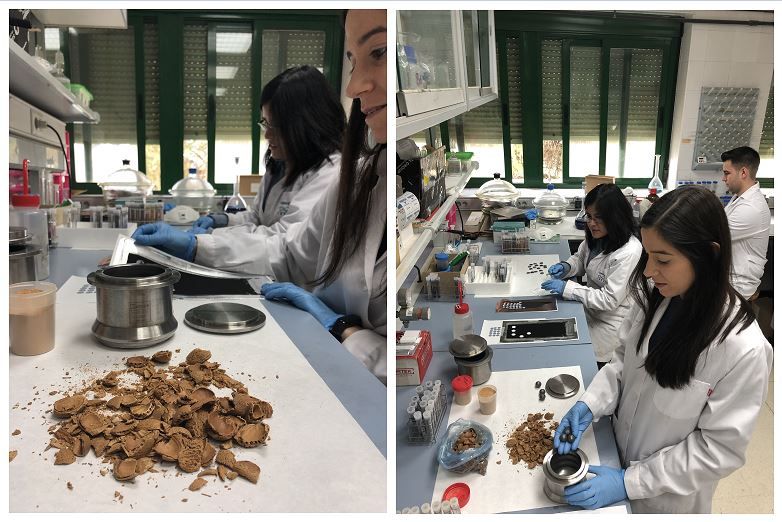
The rise of the electric car is being held back due to the lack of batteries with a high level of autonomy and low environmental impact. Spanish investigators demonstrate the potential of almond shells as a sustainable solution to the problem.
Zero Waste in the Tree Nut Industry: Adding Value to Coproducts
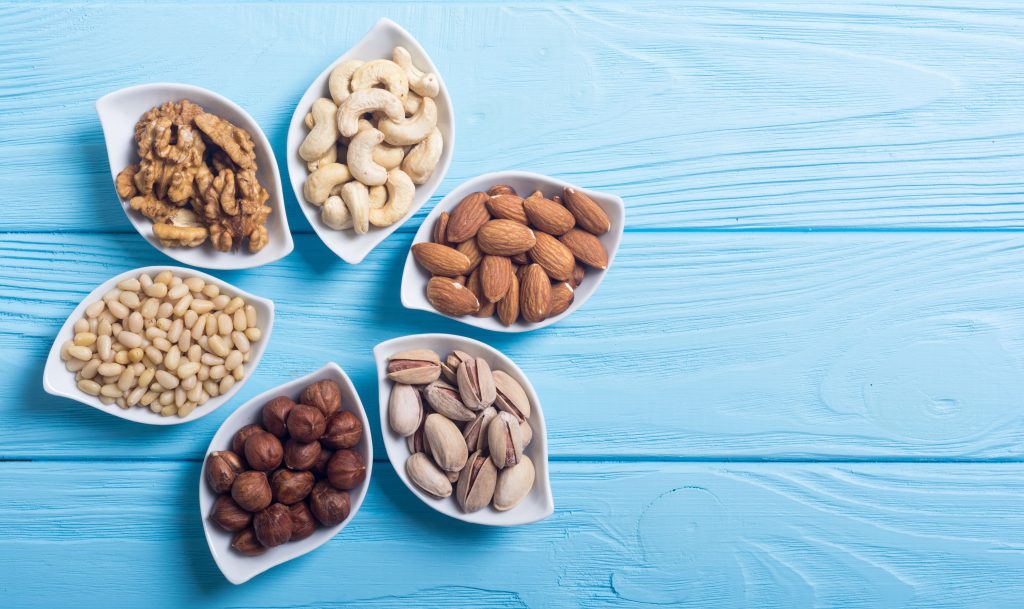
Food losses represent up to 40% for fruits and nuts. With that, the almond industry, spearheaded by the Almond Board of California, has committed to zero waste by 2025, meaning that the industry needs to create viable end-uses for their coproducts – everything from orchard to table.
Peanut Husk Panels for Use in Architecture and Design
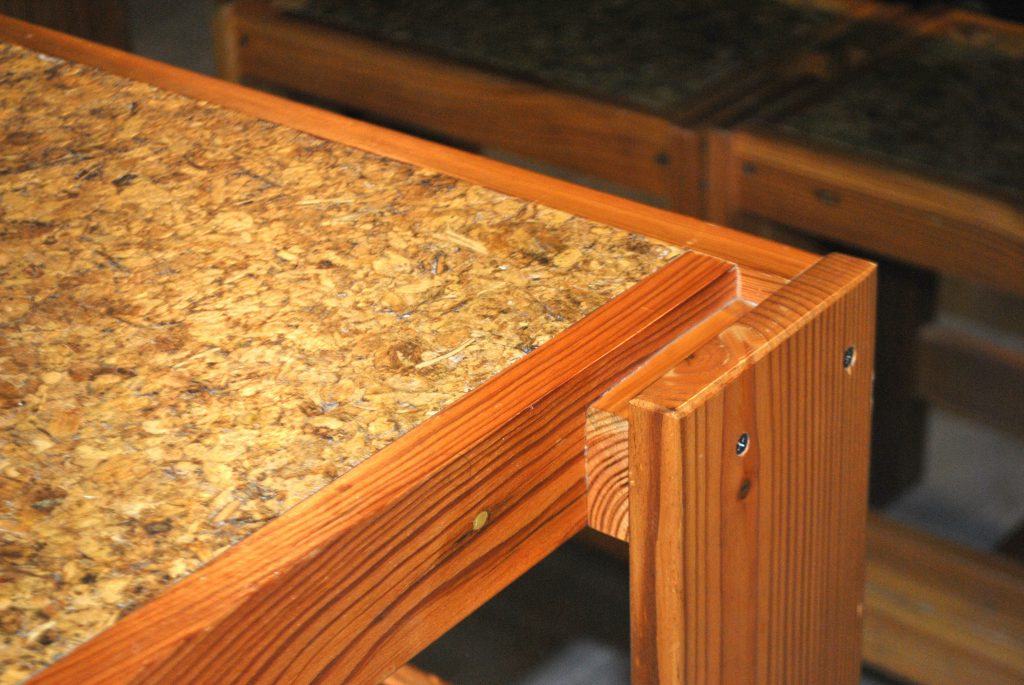
This article is the result of a study involving research, development and innovation. It describes the problem of the overabundance of peanut husks in places where the selection and processing of peanuts takes place. Peanut husks, or shells, are the natural packaging of the seed, which grows underground. The natural properties of the husk which are essential to the growth and protection of the seed while underground are the very properties which mean they do not easily biodegrade. Using this by-product from the peanut industry, this project has created agglomerated polymer matrix panels with properties similar to those of industrialized wood panels, whose applications are oriented towards architecture and object design.
The INRA’s Walnut Germplasm Collection, a Reservoir of Diversity Essential for the Future of French Walnut Industry

Tree of beliefs and legends, the walnut deserves this short overview of the situation of the walnut industry in France, and the past and future contribution of the INRA’s walnut germplasm collection to the new French improvement program.
Communicating the Protein Content of Plant-based Foods. Opportunities and Challenges
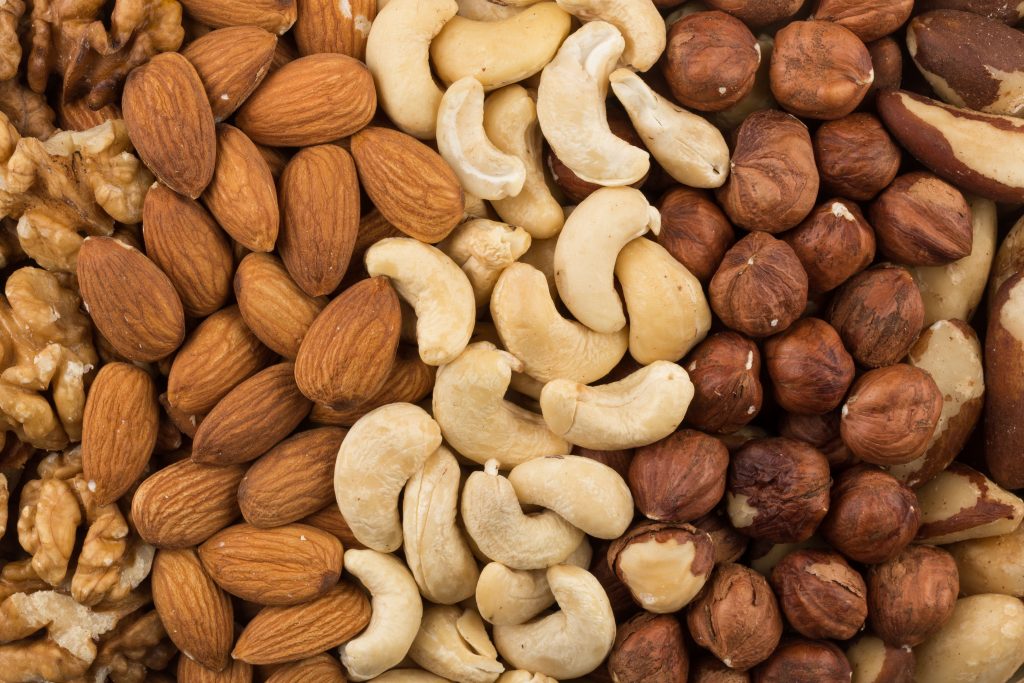
While Americans may be looking for plant-based foods that are good sources of protein, chances are, they’ll have a difficult time identifying these on store shelves.
Nuts: An Opportunity to Fight Child Malnutrition
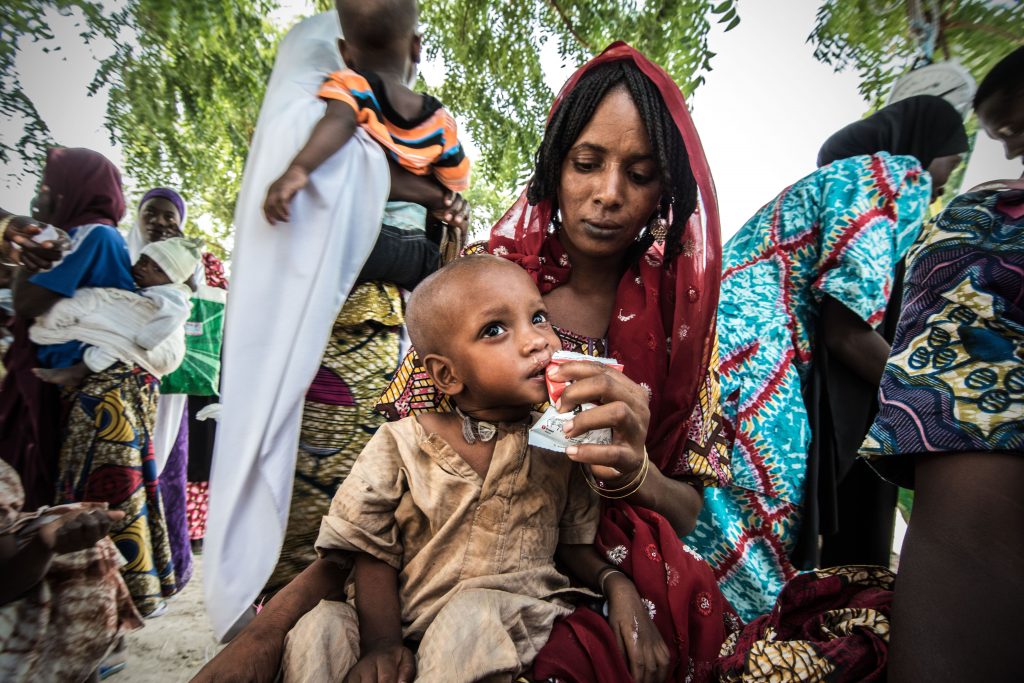
The beginning of 2019 has brought with it clearer-than-ever signs that the number of people in the world experiencing hunger is growing. Hunger has risen to levels not seen in almost a decade, going from 804 million in 2016 to 821 million in 2017. This has made it necessary, in some cases urgent, to take action and find new ways of working.