
Innovative Procedure for Improving Walnut Preservation Through the Applications of Natural Edible Coatings
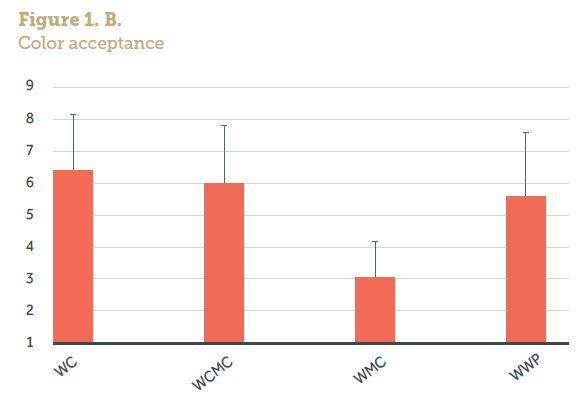
Walnuts are highly susceptible to lipid deterioration. Methylcellulose coating helps to prolong the shelf-life of kernels. However, methylcellulose affects consumer acceptance. Walnut-flour coating is a natural, consumer-accepted and economically advantageous alternative which can be used to prolong walnut shelf-life.
INC talks to Michelin Star Chef, Lionel Rigolet

Nuts and Dried Fruits : “Crunch and Originality”
Joachim Mann and Christian Liebsch, Heads of Marketing and Purchasing at Seeberger
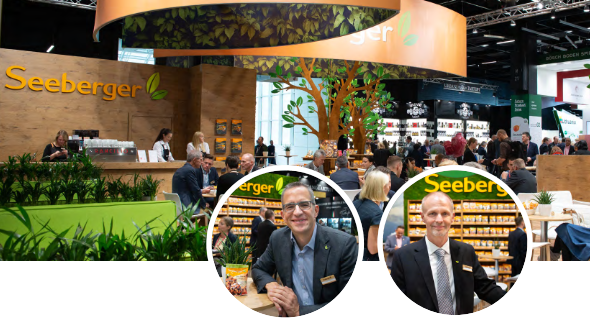
“Sustainability is very important for us, it’s our self-understanding, our philosophy.”
Social Compliance in the Nut and Dried Fruit Industry
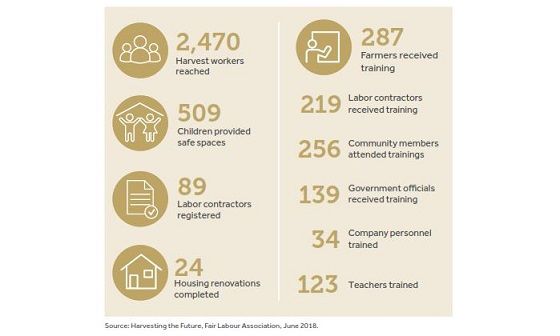
The XXI century is defined, among other things, for society making an effort to try to leave a better planet for the next generations. It’s not only about recycling, reducing and re-using. It’s much more. It’s also about changing the paradigm and believing that another type of business can be done.
Improving the Autonomy of the Electric Vehicle Through the Use of Almond Shells
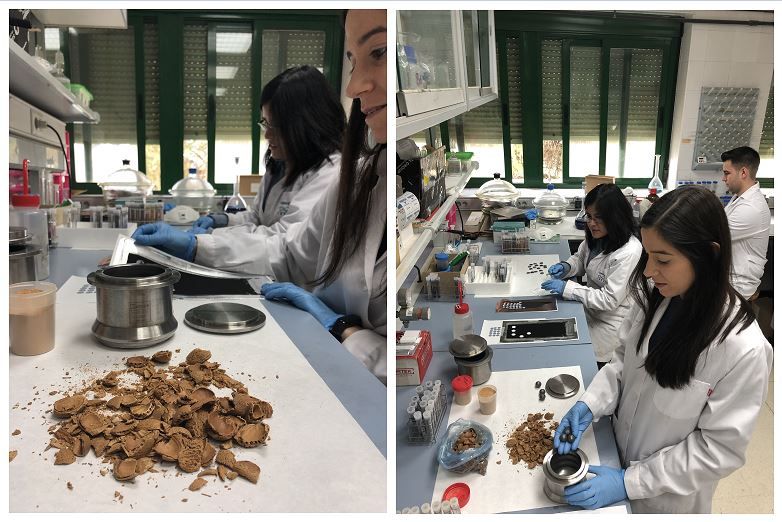
The rise of the electric car is being held back due to the lack of batteries with a high level of autonomy and low environmental impact. Spanish investigators demonstrate the potential of almond shells as a sustainable solution to the problem.
The Potential for Nanotechnology in the Food and Agriculture Industry

Nanotechnology is the understanding and manipulation of material at the nanoscale (typically 1-100 nm) to provide new products with special properties. Nanotechnology can benefit the food industry mainly in the areas of agriculture, packaging and health supplements.
Australian Wild Origins of Macadamia Domestication in Hawaii
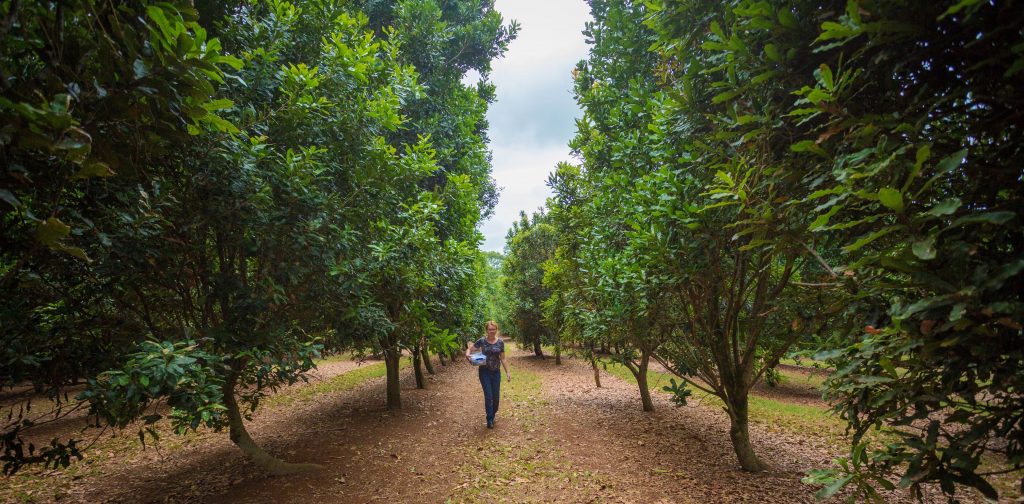
Macadamia is native to Australia but most of the world’s cultivated macadamia trees were bred in Hawaii from seed collected in Australia in the late 19th century. Recent genetic research suggests that the global macadamia industry originated from a site near Gympie in Queensland and possibly a single tree.
Taking the “Labor” out of Selecting a Third-Party “Labor”atory

The need for a third-party laboratory is almost a must in today’s marketplace. If you are a food processor, you know that many customers buying food products, regulations, and most Global Food Safety Initiative (GFSI) benchmarks require testing. You want to have the confidence that your testing is getting done quickly, and done right the first time. But finding the right fit for your company is easier said than done.
INC Talks to Andrew Roenbeck, Executive Chef at Boca Raton Resort & Club, Florida
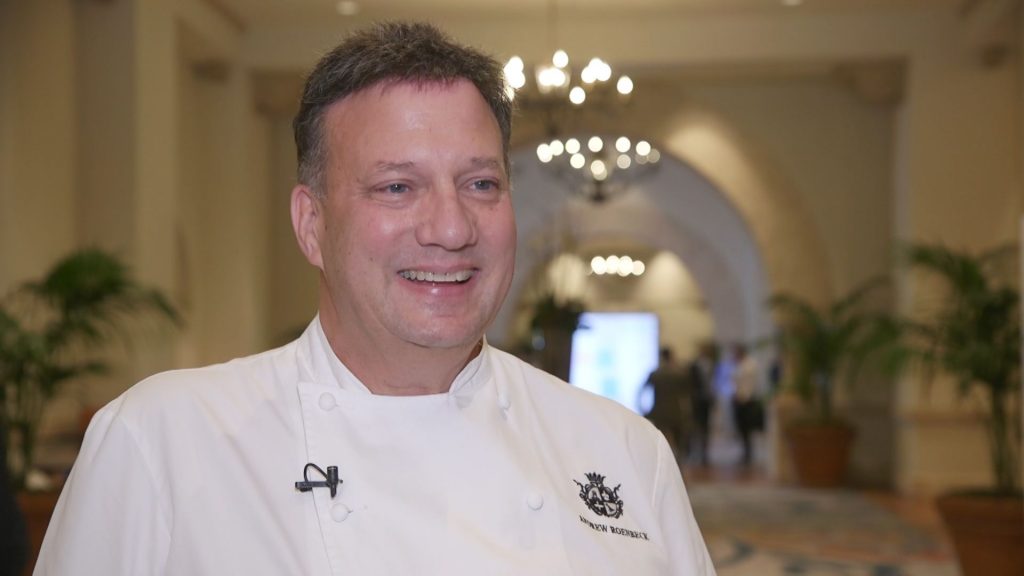
"Nuts and dried fruits add the extra love to cuisine".
Jay Tilley, Assistant General Merchandise Manager for Food and Sundries at Costco Wholesale Corporation

"Corporate Responsibility Stands on Top of All Things"