
HEINRICH BRÜNING GMBH
Heinrich Brüning founded the company in 1954. Since then, the company has enjoyed continual and healthy growth. In addition to their traditional import/export business for the food industry and their own packaging service for the discount and food retail market, Heinrich Brüning GmbH also offers services for market monitoring and consultancy. Their latest addition is […]
HEFEI TAIHE INTELLIGENT TECHNOLOGY GROUP CO., LTD
Hefei Taihe Optoelectronic Technology Co., Ltd. was established at 2004 and formally logged in the main board of Shanghai Stock Exchange in March 2017, specializing in the research and development, production, marketing, installation and technical service of artificial intelligence, control technology and robot system. Intelligent products include both the agricultural intelligent sorting equipment for rice, […]
Effects of different sterilization treatments on the quality and flavor profile of prune puree characterized by E-nose, E-tongue, GC-MS, and GC-IMS
To address the quality deterioration associated with thermal processing, this study systematically compared the effects of four sterilization treatments-pasteurization (PT), ultra-high temperature (UHT), ultra-high pressure (UHP), and low-voltage electrostatic field (LVEF) on the physicochemical properties, nutritional value, and flavor profile of prune puree. A multi-analytical platform integrating E-nose, E-tongue, GC-MS, and GC-IMS was employed for […]
Effects of prune consumption on the incidence of low anterior resection syndrome: a randomized controlled trial
Purpose: Low anterior resection syndrome (LARS) is common and devastating complication for patients with rectal cancer who have undergone sphincter-sparing surgery. Prunes are a fiber-rich fruit being effective in treating chronic constipation. The aim of this study was to investigate the effect of prune consumption on the incidence of LARS. Methods: A prospective, double-arm, parallel, […]
Prune Crop Update & Outlook
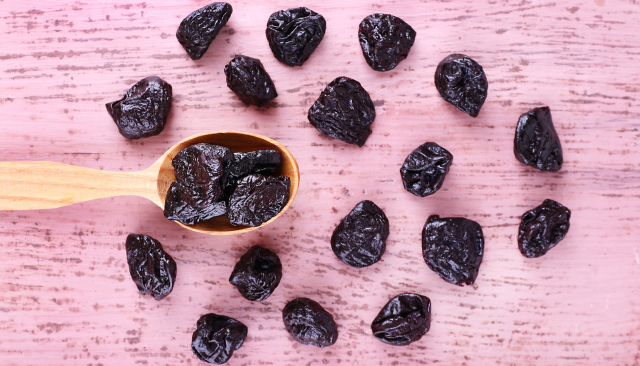
The information contained herein was prepared between late September and October 2025. Chile. Chile Prunes reports on-schedule flowering for the 2026 crop, with no frosts but low water reserves. The 2025 crop showed good volumes and quality, with China as the main destination, underscoring both opportunities on that market and the need for diversification. USA. […]
Quality Assessment of Prune Jam with Different Concentration Methods Based on Physicochemical Properties, GC-IMS, and Intelligent Sensory Analysis
This study systematically investigated the impacts of four concentration methods-vacuum freezing concentration (VFC), microwave vacuum concentration (MVC), atmospheric thermal concentration (ATC), and vacuum thermal concentration (VTC)-on the quality and volatile compounds of prune jam. Advanced analytical techniques, including electronic tongue, electronic nose, gas chromatography-ion mobility spectrometry (GC-IMS), and multivariate statistical methods (principal component analysis, partial […]
Comparative shelf-life study in dehydrated plums: use of potassium sorbate and its effect on microbial spoilage
Potassium sorbate is a preservative used to avoid microbial spoilage in dehydrated plums (prunes) during long travel distances and, therefore, improve the shelf life of prunes. In this study, prunes with and without sorbate were stored for 12 months at 4, 16, 20 and 37 °C. The physiological and biochemical indexes were measured and recorded […]
New Meta-Analysis Strengthens Evidence That Nuts May Lower Cardiovascular Risk
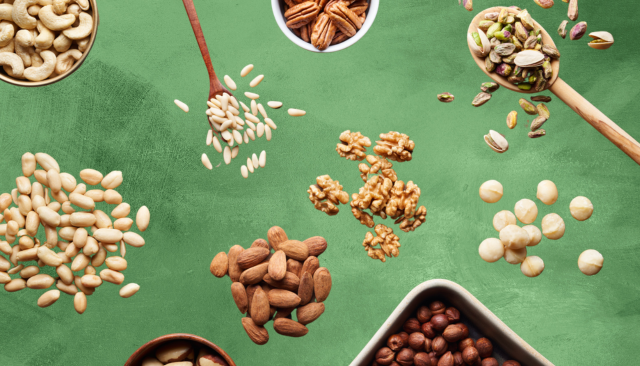
The findings refute a study questioning the benefits of nut consumption A systematic review and meta-analysis funded by the International Nut and Dried Fruit Council (INC) has just been published in the prestigious scientific journal Nutrition, Metabolism and Cardiovascular Diseases.[1] The study showed that current evidence provides a good indication that consuming nuts may advantageously […]
Prunes may blunt adverse effects of oral contraceptives on bone health in young adult women: a randomized clinical trial
Background: Oral contraceptives (OCs) may promote bone loss, thereby leading to suboptimal bone health later in life. Research is needed to determine whether dietary interventions can blunt OC-related bone loss; prune consumption, shown to be effective in improving bone density in previous studies, could provide a safe and inexpensive solution. Objectives: The purpose of this […]
INC Unveils Gen Z Preferences for Nuts and Dried Fruits and Snacking in Latin America

Peanuts, almonds and walnuts are consumed the most among Gen Z in Latin America 96% snack between meals, yogurt, dairy products, and fresh fruits being common choices Taste and health benefits are the primary drivers for consuming nuts and dried fruits INC’s NutTunes campaign set to encourage nut and dried fruit consumption through Spotify The […]