Many studies have looked at the beneficial effects of nut consumption and how it relates to various health outcomes, especially cardiovascular disease. A new study, published in Circulation goes further, running a randomized controlled trial of 2 years and specifically looking at elderly individuals and walnut consumption.
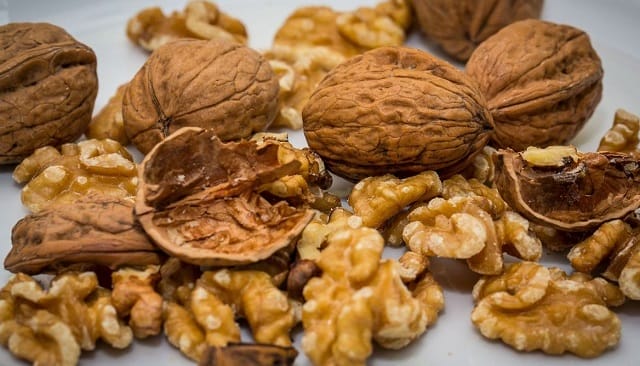
For the trial, named The Walnuts and Healthy Aging (WAHA), researchers analyzed healthy elders ranging in age from 63-79. The study had two centers, one in Barcelona, Spain, and another in California, USA. It lasted a total of 2 years and included 2 monthly visits to measure compliance, tolerance, medication changes, and body weight. In total, 708 participants started the trial and were randomized into a walnut-free, control group, or a walnut-supplemented diet. Those receiving walnuts were instructed to consume around 15% of their daily energy in walnuts, between 30-60 g/day.
636 participants completed the study for a retention rate of 90%, while 628 had full data for lipoprotein analysis. It was found that the walnut diet significantly decreased total cholesterol, LDL (“bad”) cholesterol, and intermediate-density lipoprotein. Researchers pointed out that the results did not differ by the location of the study, however, lipid response did differ by sex: LDL cholesterol was reduced by 7.9% in men and by 2.6% in women. The results support the notion that adding walnuts (around 15% of energy) to the daily diet of healthy elders may be useful to lower atherogenic lipids and improve cardiovascular disease risk.
This research was supported by a grant from the California Walnut Commission.
For the trial, named The Walnuts and Healthy Aging (WAHA), researchers analyzed healthy elders ranging in age from 63-79. The study had two centers, one in Barcelona, Spain, and another in California, USA. It lasted a total of 2 years and included 2 monthly visits to measure compliance, tolerance, medication changes, and body weight. In total, 708 participants started the trial and were randomized into a walnut-free, control group, or a walnut-supplemented diet. Those receiving walnuts were instructed to consume around 15% of their daily energy in walnuts, between 30-60 g/day.
636 participants completed the study for a retention rate of 90%, while 628 had full data for lipoprotein analysis. It was found that the walnut diet significantly decreased total cholesterol, LDL (“bad”) cholesterol, and intermediate-density lipoprotein. Researchers pointed out that the results did not differ by the location of the study, however, lipid response did differ by sex: LDL cholesterol was reduced by 7.9% in men and by 2.6% in women. The results support the notion that adding walnuts (around 15% of energy) to the daily diet of healthy elders may be useful to lower atherogenic lipids and improve cardiovascular disease risk.
This research was supported by a grant from the California Walnut Commission.
Rajaram, S., Cofán, M., Sala-Vila, A., Haddad, E., Serra-Mir, M., Bitok, E., … & Ros, E. (2021). Effects of Walnut Consumption for 2 Years on Lipoprotein Subclasses Among Healthy Elders: Findings From the WAHA Randomized Controlled Trial. Circulation.