
Australia and New Zealand: MRLs Update

USA: MRLs Update
The U.S. Environmental Protection Agency established tolerances for residues of afidopyropen in or on multiple commodities.
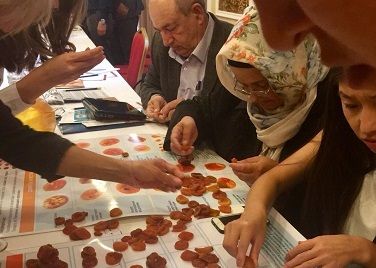
UNECE Workshop, Agri-Food Supply Chains in Cross-Border Trade of Nuts and Dried Fruits
USA: Market Facilitation Program
USA-Korea: Free Trade Agreement
Walnut Consumption on Body Weight in Elderly
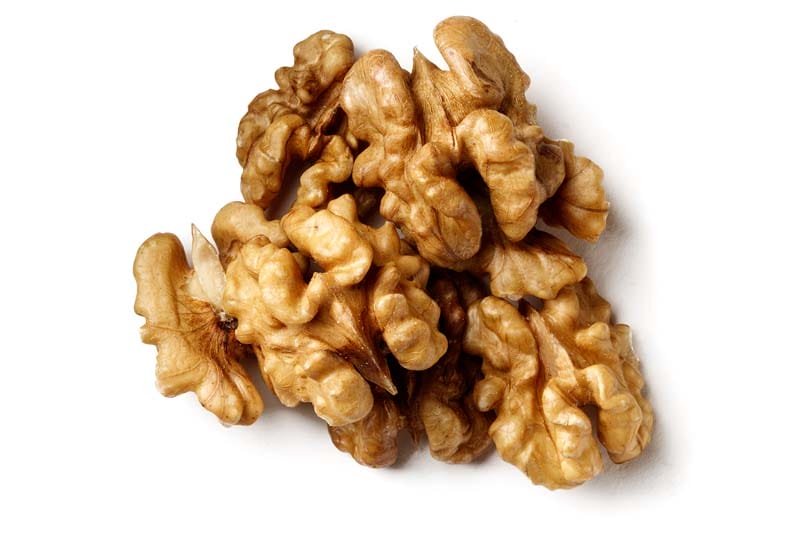
Obesity in elderly people continues to be a major public health challenge. For this reason, this recent study, published in the journal Nutrients, assessed the effects of chronic walnut consumption on body weight and adiposity (body fat) in older adults.
Walnut Consumption on Body Weight in Elderly
Obesity in elderly people continues to be a major public health challenge. For this reason, this recent study, published in the journal Nutrients, assessed the effects of chronic walnut consumption on body weight and adiposity (body fat) in older adults.
Rapid, simultaneous and non-destructive assessment of the moisture, water activity, firmness and SO 2 content of the intact sulphured-dried apricots using FT-NIRS and chemometrics.
The potential of using FT-NIR spectroscopy for the rapid and non-destructive measurement of the moisture, water activity, firmness and SO2 content of the intact sulphured-dried apricots (SDA) was investigated for the first time in the literature. The partial least squares regression (PLS-R) models constructed using FT-NIR spectra were very successful in predicting the moisture content (R2p = 0.986, […]
Thermal inactivation of Aspergillus flavus in peanut kernels as influenced by temperature, water activity and heating rate.
Infection of Aspergillus flavus, which can produce aflatoxin, is a major problem for peanut safe storage. Thermal inactivation kinetics of Aspergillus flavus is essential to design an effective heat treatment process. In this study, thermal inactivation kinetics of Aspergillus flavus in peanut kernel flour at four water activity (aw) levels (0.720, 0.783, 0.846, and 0.921) […]
Effect of micro-encapsulated antioxidant formulations on mycobiota, residual levels, sensory analyses and insect pest attack in stored peanuts.
The in situ effect of microencapsulated 2(3)-tert-butyl-4 hydroxyanisole (BHA) on stored peanuts (Arachis hipogaea) intended for human consumption was evaluated. Peanut were stored unshelled in flexible containers called "big bags" that were made of polypropylene raffia. 100 kg of peanuts were used in each big bag and stored in refrigerated cells (<18 °C) for about 5 months in two different peanut processing companies […]