INC Symposium at the European Nutrition Conference

Anti-atherosclerotic and cardiovascular protective benefits of Brazilian nuts.
Brazil nuts are rich in magnesium, selenium, arginine and other amino acids, dietary fiber, tocopherols (vitamin E), phytosterols, linoleic acid, linolenic acid, sitosterols, monounsaturated and polyunsaturated fatty acids, polyphenols and other amino acids. Due to such a rich mixture of nutrients, Brazil nuts protect LDL from peroxidation, and improve endothelial function, blood pressure, lipid metabolism, […]
Effects of almond, dried grape and dried cranberry consumption on endurance exercise performance, recovery and psychomotor speed: protocol of a randomised controlled trial.
BACKGROUND: Foods rich in nutrients, such as nitrate, nitrite, L-arginine and polyphenols, can promote the synthesis of nitric oxide (NO), which may induce ergogenic effects on endurance exercise performance. Thus, consuming foods rich in these components, such as almonds, dried grapes and dried cranberries (AGC), may improve athletic performance. Additionally, the antioxidant properties of these foods may reduce oxidative […]
Chemical Composition and In Vitro Bioaccessibility of Antioxidant Phytochemicals from Selected Edible Nuts.
The ultimate health benefits of peanuts and tree nuts partially depend on the effective gastrointestinal delivery of their phytochemicals. The chemical composition and in vitro bioaccessibility of tocopherols, tocotrienols and phenolic compounds from peanuts and seven tree nuts were evaluated by analytical and chemometric methods. Total fat and dietary fiber (g 100 g-1) ranged from 34.2 (Emory oak acorn) […]
Prospective randomized controlled pilot study on the effects of almond consumption on skin lipids and wrinkles.
OBJECTIVE: Almonds are a rich source of fatty acids and antioxidants, and their supplementation is known to significantly modulate serum lipids. The effects of almond on the skin's lipid barrier and the appearance of wrinkles have not yet been elucidated. The aim of this study was to investigate the effects of almond consumption on facial sebum production and wrinkles. […]
Nut Consumption May Help Prevent Weight Gain
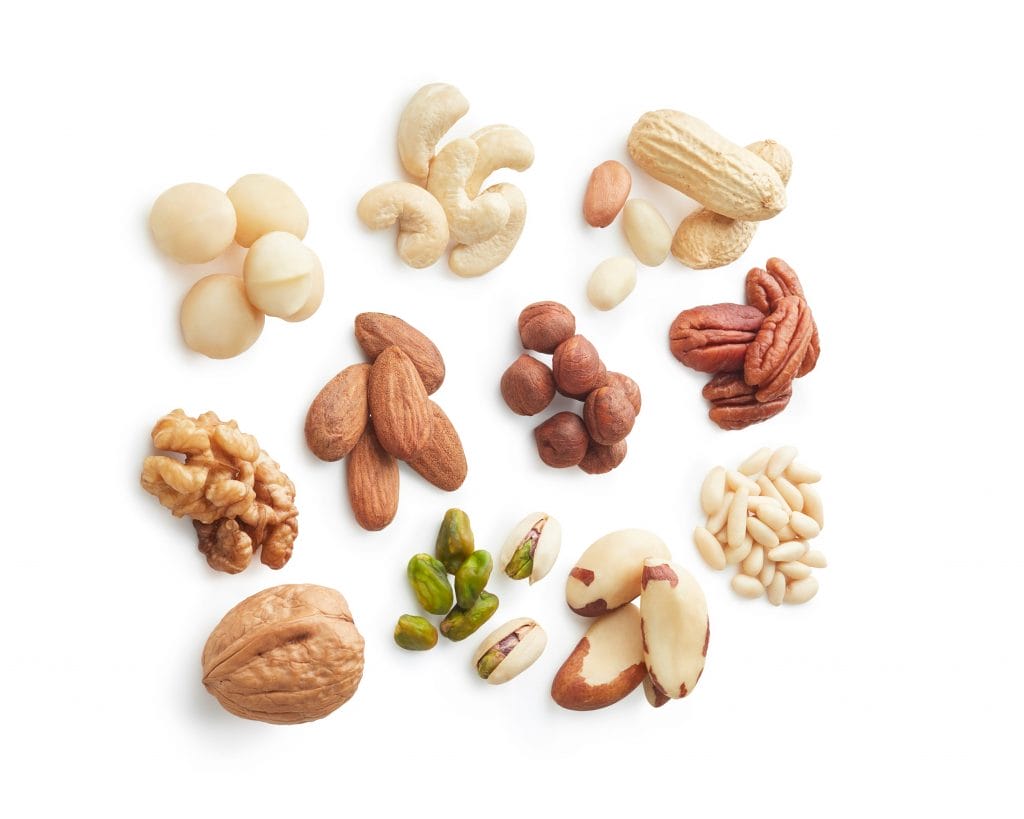
Almonds May Help Reduce Wrinkles
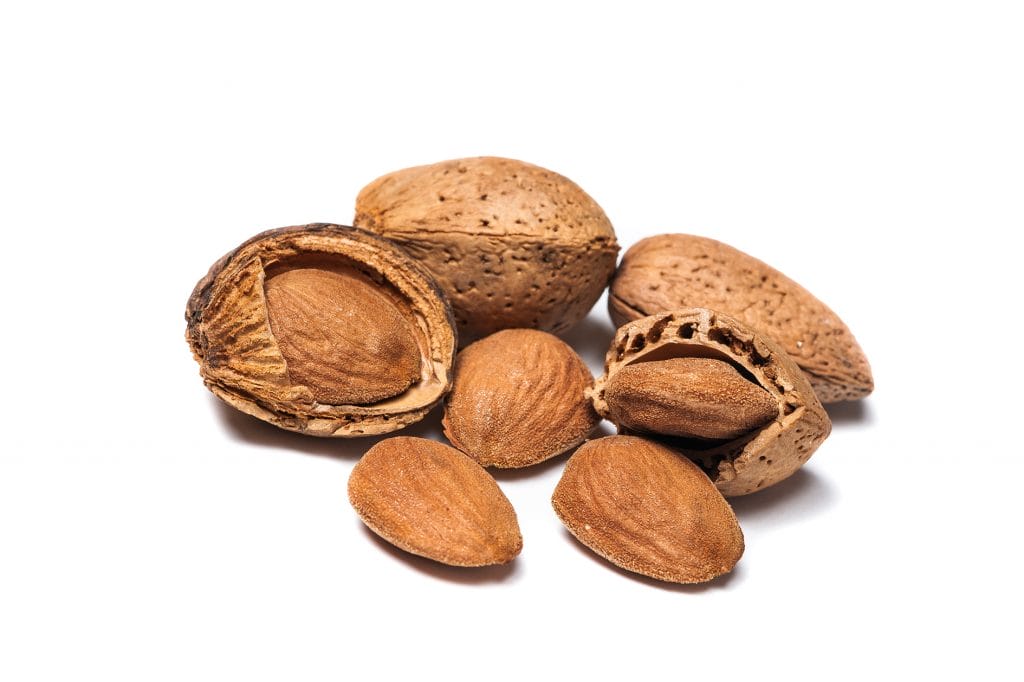
Almonds May Help Reduce Wrinkles
Nut Consumption May Help Prevent Weight Gain
The INC Executive Committee in Brussels