
Shipping Logjams and Massive Demand for Global Trade
Get insights into the most recent shipping news.
INC Announces New Webinar Series
Join the INC for three brand new webinars over the coming months! The best way to stay up-to-date on nuts and dried fruits!
COVID-19 Update: September 15, 2021
The new cases reported globally in the past week have declined after more than two months. All regions reported decreases in new cases and in the number of deaths –except Africa where the number of weekly deaths increased by 7%. The cumulative number of cases reported globally is now over 225 million and the cumulative number of deaths is just over 4.6 million.
COVID-19 Update: September 15, 2021

The new cases reported globally in the past week have declined after more than two months. All regions reported decreases in new cases and in the number of deaths –except Africa where the number of weekly deaths increased by 7%. The cumulative number of cases reported globally is now over 225 million and the cumulative number of deaths is just over 4.6 million.
INC Announces New Webinar Series

Shipping Logjams and Massive Demand for Global Trade

Get insights into the most recent shipping news.
2020 EU Global Agri-food Trade Report

The latest update on EU Agri-food trade during the pandemic.
An Exclusive Look to the Future of Nuts & Dried Fruits

Join the INC Executive Committee on September 27, 2021, for an exclusive webinar that looks into the most pressing topics within the industry, as well as what the future might hold for nuts and dried fruits. The webinar will explore the ramifications of COVID-19 on food service and retail demand, and how weather disruptions and […]
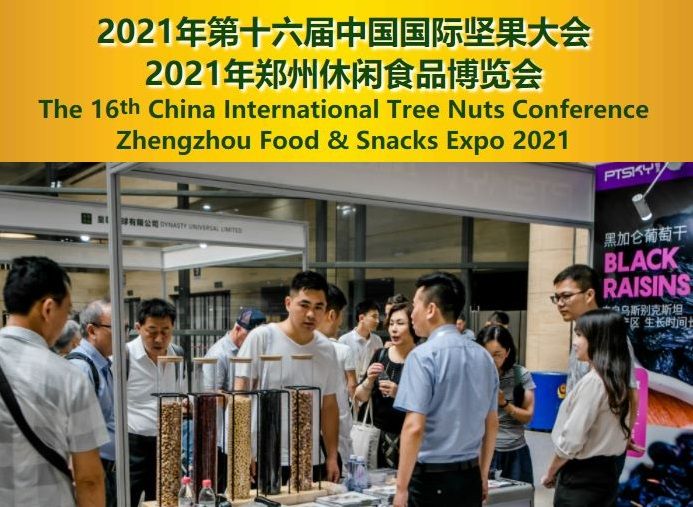
2021 China International Tree Nuts Conference
Brief COVID-19 Update: September 8, 2021

A new SARS-CoV-2 variant, called C.1.2, has been found by South African researchers. It contains some mutations that spread faster and wider and are not as responsive to current vaccines. The new variant is being monitored and it is still unclear whether it will become more problematic.