
COVID-19 Update: April 21, 2021
The COVID-19 pandemic continues with its rising trend. According to the World Health Organization (WHO), global new cases have been rising for nearly two consecutive months, reaching a total of 141 million reported cases and causing more than 3 million deaths. India, the US and Brazil have experienced high caseloads, accounting for around 40% of last week’s total infections worldwide.
Monitoring EU Agri-food Trade: Developments January-December 2020

The European Commission has recently released its "Monitoring EU agri-food trade" report.
Iranian Pistachio YTD Shipment Report
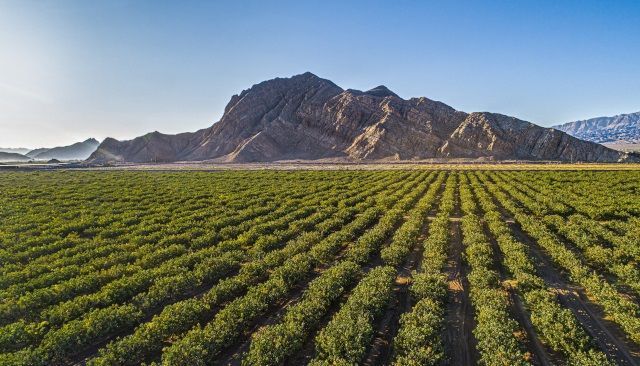
The Iran Pistachio Association (IPA) has published the most recent pistachio inventory and shipping report for the 6th marketing month of the 2020 crop (February 20-March 20, 2021).
USDA FAS 2020 US Agricultural Export Yearbook

The U.S. Department of Agriculture, through its Foreign Agricultural Service (USDA FAS) has released the 2020 United States Agricultural Export Yearbook, on April 5, 2021.
INC Annual Report 2020/2021
The INC is pleased to share the 2020/2021 Annual Report. This year's Report provides a high-level look into the mission, vision, and activities of the International Nut & Dried Fruit Council.
2021 Call for Promotion and Dissemination Projects Now Open

INC has now opened the Call for Promotion and Dissemination Projects for 2021!
Brief COVID-19 Update: April 14, 2021
With over 4 million new cases reported in the last week, COVID-19 infections and deaths have now been rising for more than a month.
Effects of Raisins on Cardiovascular Risk Factors
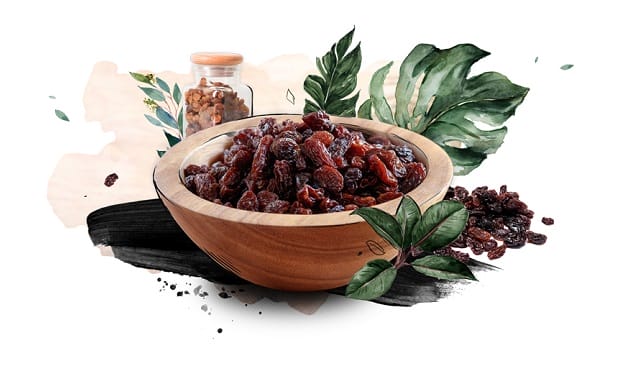
In the journal Irish Journal of Medical Science, a newly published article discussed how the consumption of raisins, specifically black seed raisins, could affect certain cardiovascular risk factors in hyperlipidemic individuals.
Almonds and Their Effects on Facial Wrinkles and Pigmentation
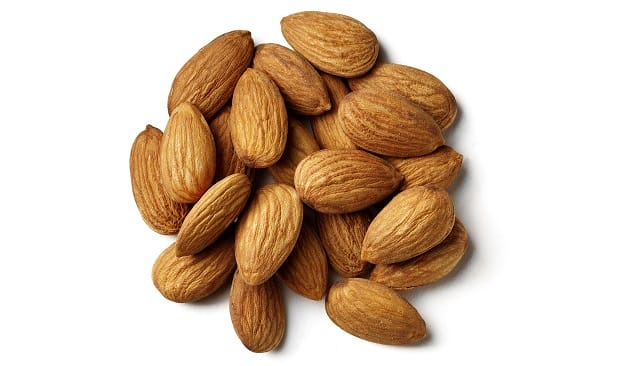
In the journal Nutrients, a new study was published which aimed to identify the effects of almonds on photoaging, for example, facial wrinkles, pigment intensity, sebum production, skin hydration and water loss.
Supplemented Mediterranean Diet with Nuts Positively Affects Gut Microbiota of HIV Infected Individuals

A recent study in the journal Nutrients explored the health benefits of a supplemented Mediterranean diet (SMD) for those individuals who are HIV-1 positive