
Major Review Highlights Progress in Peanut Allergy Prevention
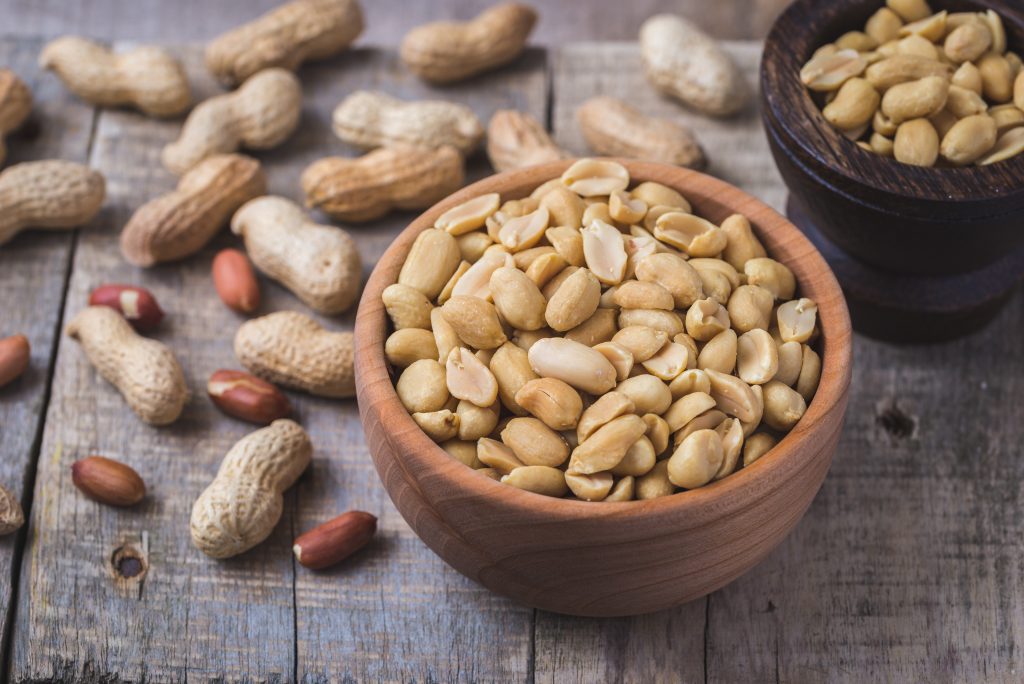
A new review published in the prestigious New England Journal of Medicine highlights major advances in the prevention and treatment of peanut allergy. Early peanut introduction has been shown to reduce allergy prevalence by approximately 80%, with the protective effect decreasing as introduction is delayed. The authors recommend regular peanut ingestion during infancy, with approximately 2 grams […]
Clinical Trial Links Almond Consumption to Improved Sleep Quality
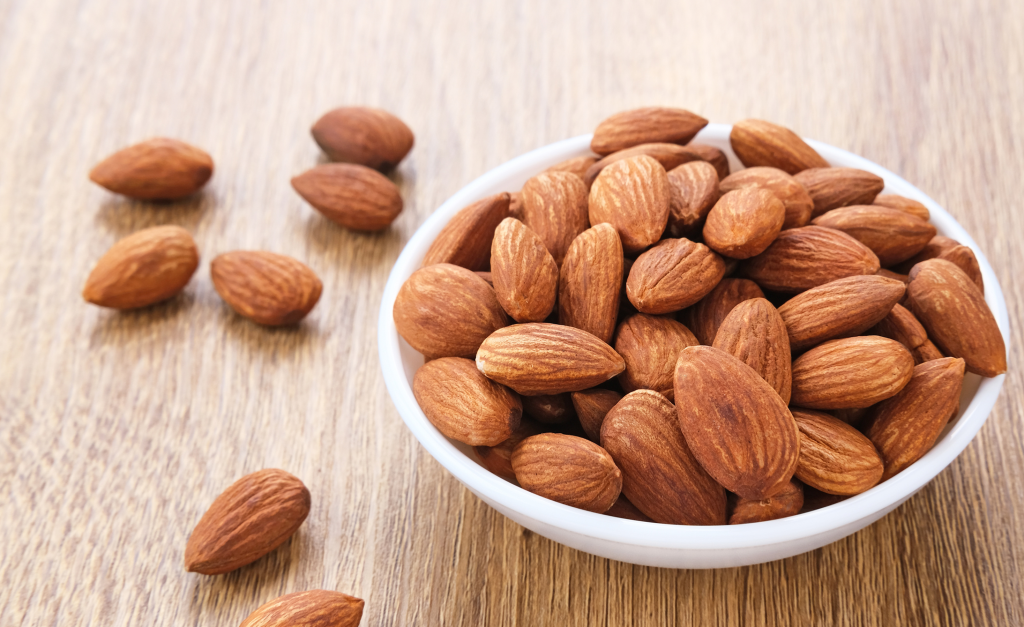
A new randomized controlled trial published in Frontiers in Nutrition suggests that regular almond consumption may help improve perceived sleep quality in adults experiencing poor sleep. In the five-month study, 175 adults aged 21-55 years were randomly assigned to consume either whole almonds or a calorie-matched control snack. Researchers assessed both subjective and objective measures of sleep, […]
Why Don’t Nuts Promote Weight Gain? A New Framework Helps Explain
A new review published in Frontiers in Nutrition examines why nuts—despite being naturally energy-dense—consistently do not promote weight gain and explores the mechanisms that may explain this finding. Drawing on evidence from randomized controlled trials, prospective cohort studies and mechanistic research, the authors propose a new conceptual framework that explains why the effects of nuts on body […]
Almonds Show Promise for Appetite Control After Weight Loss
Almonds may offer appetite-regulating benefits during long-term weight maintenance, according to a new randomized controlled trial in adults with overweight or obesity. Over a 9-month intervention, participants followed energy-restricted diets that included either almonds or carbohydrate-rich snack bars. While both groups achieved similar weight loss and reduced energy intake, the almond group showed more favorable […]
American Heart Association Guidance Recommends Shifting to Nuts as Protein Source
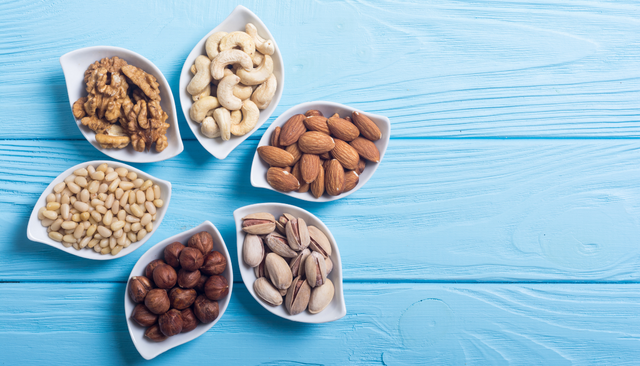
New guidance from the American Heart Association (AHA) recommends shifting away from meat and toward plant-based protein sources, including nuts. The 2026 Dietary Guidance to Improve Cardiovascular Health: A Scientific Statement From the American Heart Association updates the AHA’s 2021 recommendations, reflecting the latest evidence on reducing cardiovascular disease risk, improving quality of life, and supporting longevity. […]
Updated Dutch “Wheel of Five” Recommends Eating More Nuts

The Netherlands Nutrition Centre has published an updated version of its “Wheel of Five,” a tool intended to help people eat healthily, sustainably and safely, based on the latest scientific insights. The new wheel is broadly similar to its predecessor, recommending plenty of vegetables, fruit, legumes and whole-grain products, and not too much salt, saturated fat and […]
Study Links Higher Nut Intake to Lower Dementia Risk
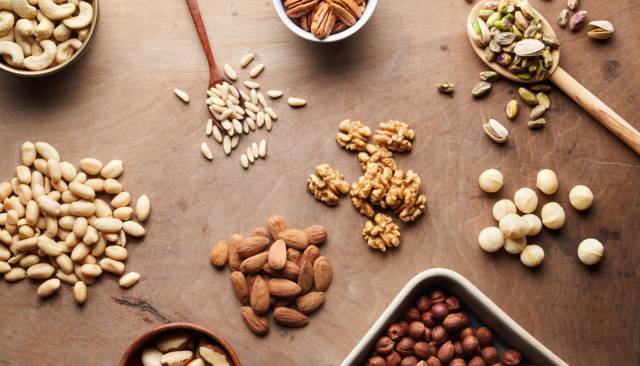
An analysis pooling data from three long-running cohort studies suggests that eating more nuts may be linked to a lower risk of developing dementia later in life. The research included 17,349 adults followed for up to 18 years across the United States and United Kingdom. People who ate nuts—including both tree nuts and peanuts—more frequently […]
Walnuts May Help Support Healthy Brain Aging
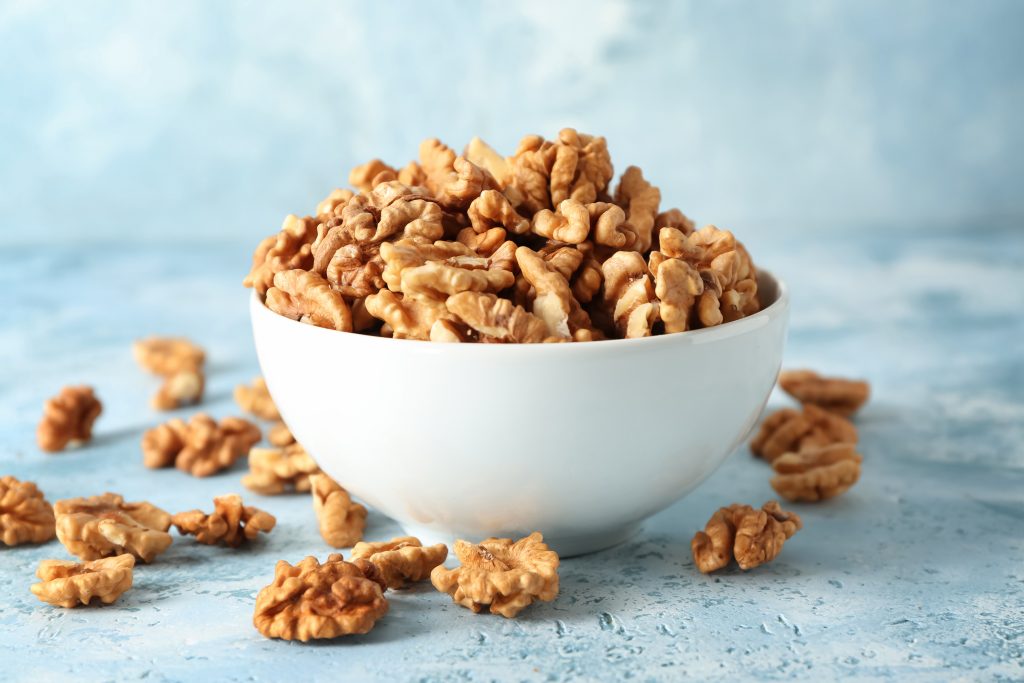
A new study published in Food Science and Human Wellness adds to the growing evidence that walnuts can benefit brain health. More than 600 cognitively healthy older adults were instructed to follow either a walnut-rich diet (where walnuts accounted for 15% of their daily energy) or a control diet that excluded walnuts. After two years, researchers found […]
Scientific Review Confirms Role of Nuts in Reducing Chronic Disease Risk
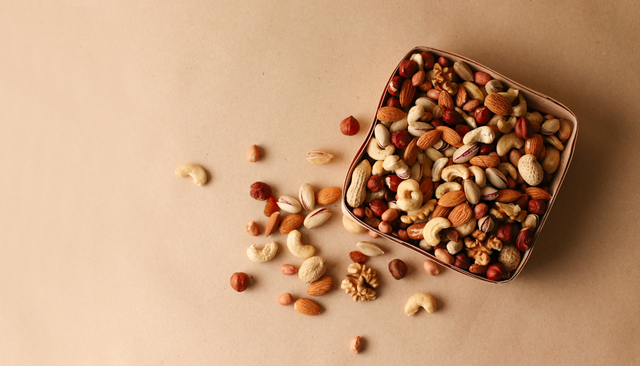
A new comprehensive review published in Food Chemistry reinforces the position of nuts as one of the healthiest foods available, highlighting their exceptional nutritional profile and the growing body of scientific evidence linking regular nut consumption to better health outcomes. The review examines the latest research on tree nuts and peanuts, covering their nutritional composition, bioactive compounds, […]
Dietary Benefits of Pistachio Consumption in Mexico Modeled Using National Health Survey System (ENSANUT) 2012 and 2016 Data
Background: Energy-dense non-essential snacks are subject to 8% excise tax in Mexico. Objectives: To model the impact on diet quality of (1) replacing energy-dense snacks with pistachios and (2) adding small amounts of pistachios to the diet. Methods: Data came from the Mexico National Health and Nutrition survey (ENSANUT, by its Spanish acronym) 2012 (n […]