
Development of Antioxidant Polycaprolactone Films Incorporating Peanut Skin Food Waste Extract for Active Packaging
Biodegradable polycaprolactone (PCL) films were developed with 13% w/w ethanol extract from industrial peanut skin residues (PSE), a rich source of natural antioxidants and antimicrobials. Films retain actives during processing. Antioxidant activity was evaluated via total phenolics, flavonoids, condensed tannins, and radical scavenging assays (DPPH, ABTS). PSE incorporation enhances oxidative thermal stability, increasing oxidation onset […]
Autoclaved Peanuts Exhibit Reduced Immunoglobulin E Binding and Improved Oral Tolerability
Background: Major peanut allergens are stable and resistant to denaturation under standard cooking conditions, contributing to allergenicity and low rates of developing natural tolerance in allergic individuals. We evaluated the effects of heat and pressure autoclaving on peanut proteins, IgE binding, and oral tolerability. Methods: Raw, roasted, and autoclaved peanut protein extracts were evaluated by […]
Guidelines for Early Food Introduction and Patterns of Food Allergy
Objective: We aimed to determine whether rates of peanut (or any) immunoglobulin E-mediated food allergy (IgE-FA) changed following the publication of early peanut introduction guidelines and/or addendum guidelines. Methods: Using electronic health record data from the multistate, primary care-based American Academy of Pediatrics Comparative Effectiveness Research through Collaborative Electronic Reporting (CER2) network, we defined preguidelines, […]
Trends over a decade in the prevalence and eliciting dose of peanut and tree nut allergies in Japan
Background: The prevalence of tree nuts allergy is rapidly increasing in Japan, yet the eliciting dose (ED) for tree nuts, particularly in Asian populations, has not been sufficiently investigated. Objective: This study aimed to quantify EDs for peanut, cashew nut, and walnut in Japanese patients with food allergies and to investigate longitudinal changes in these […]
Guidelines for Early Food Introduction and Patterns of Food Allergy
Objective: We aimed to determine whether rates of peanut (or any) immunoglobulin E-mediated food allergy (IgE-FA) changed following the publication of early peanut introduction guidelines and/or addendum guidelines. Methods: Using electronic health record data from the multistate, primary care-based American Academy of Pediatrics Comparative Effectiveness Research through Collaborative Electronic Reporting (CER2) network, we defined preguidelines, […]
Recent Advances in the Mechanisms of Quality Degradation and Control Technologies for Peanut Butter: A Literature Review
As the quality of life continues to improve globally, there is an increasing demand for nutritious and high-quality food products. Peanut butter, a widely consumed and nutritionally valuable product, must meet stringent quality standards and exhibit excellent stability to satisfy consumer expectations and maintain its competitive position in the market. However, its high fat content, […]
Longer-term skin-roasted peanut consumption improves brain vascular function and memory: A randomized, single-blind, controlled crossover trial in healthy older adults
Background and aims: Reduced brain vascular function contributes to age-related cognitive decline. While peanut consumption may improve cognitive performance, the underlying mechanisms remain unclear. This study aimed to investigate the longer-term effects of skin-roasted peanut consumption on brain vascular function and cognitive performance in older adults. Methods: In a randomized, single-blind, controlled crossover trial, 31 […]
Peanut Crop Update & Outlook
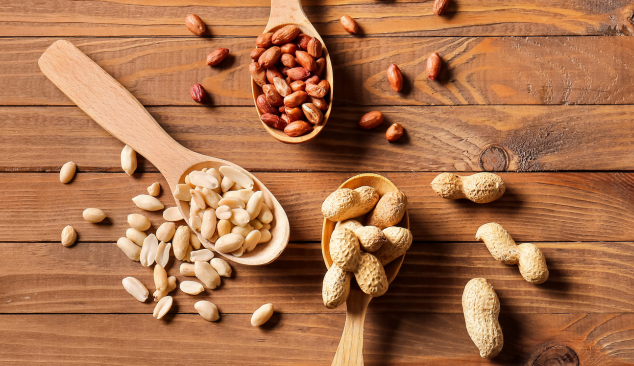
The information contained herein was prepared between late September and October 2025. China. According to a USDA Foreign Agricultural Service report dated September 26, 2025, production 2025/26 was projected at 18.8 million metric tons (in-shell basis), slightly higher than the previous season. This increase reflects expanded planting not only in the traditional producing provinces of […]
From Sensitisation to Tolerance: A Retrospective Study of Tree Nut and Peanut Allergy in Pediatric Patients
Background: Tree nut/Peanut (TN/PN) allergies are among the most common pediatric food allergies, often persisting into later life and posing significant clinical risks. The likelihood of tolerance acquisition varies, and predictive factors remain inadequately defined in clinical practice. Objective: To evaluate the clinical and laboratory features associated with anaphylaxis risk and tolerance development in pediatric […]
Pediatric food allergy prevalence and trends by race and ethnicity
Background: In the United States, food allergies (FAs) disproportionately affect children based on their racial or ethnic heritage, though there are some gaps and discrepancies in the literature about the prevalence of FAs among different groups. Objective: The objective was to analyze clinical data to determine how FA prevalence varies based on race and ethnicity […]