
11th VINACAS Golden Cashew Rendezvous

VINACAS and Vietnamese cashew stakeholders warmly welcome you to the 11th VINACAS Golden Cashew Rendezvous – the world's biggest cashew event http://events.vinacas.com.vn/
2019 Australian Nut Conference
The Australian Nut Conference (ANC) is the only event on the Australian nut calendar that brings together the entire Australian nut industry supply chain. Held every two years, it represents an excellent opportunity to meet and network with existing clients and suppliers, arrange to meet new clients or suppliers, listen to production, consumption and supply […]
2019 Safe Food California Conference

Safe Food California 2019 is being held April 2-4, 2019. The Safe Food California (SFC) conference is where food safety executives and professionals, from growers to processors to distributors, come together in a collaborative environment to share resources, solutions, ideas and develop new approaches to their businesses. https://safefoodalliance.com
Additional Tariffs on Nuts and Dried Fruits
Veronika Pountcheva, Global Director Corporate Responsibility & Senior Vice President at Metro Ag

"Diverse teams have an impact on the business: they are more creative, more agile and achieve better results”
“Nuts should be part of everyday cuisine”
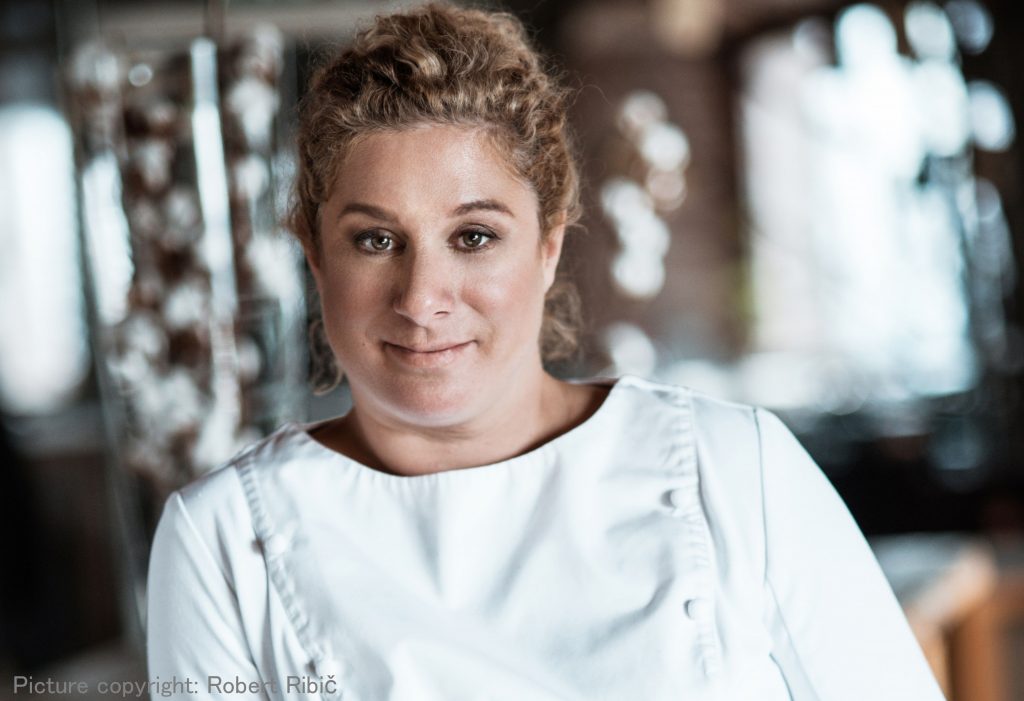
Ana Roš, the head chef of Slovenia’s Hiša Franko and crowned The World's Best Female Chef in 2017 by The World's 50 Best Restaurants.
The Almond Conference

Now in its 47th year The Almond Conference, the largest almond conference in the world, provides an unsurpassed space for the whole industry. www.almondconference.com
2018 International Seedless Dried Grape Producing Countries Conference
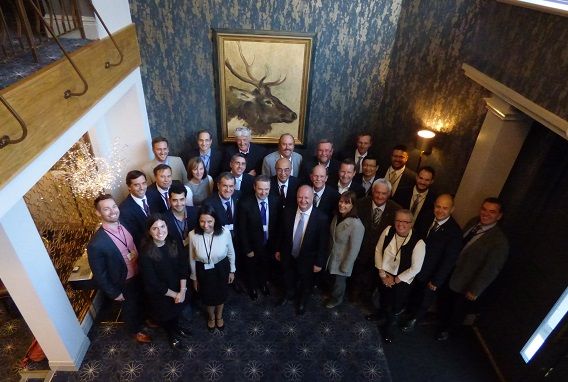
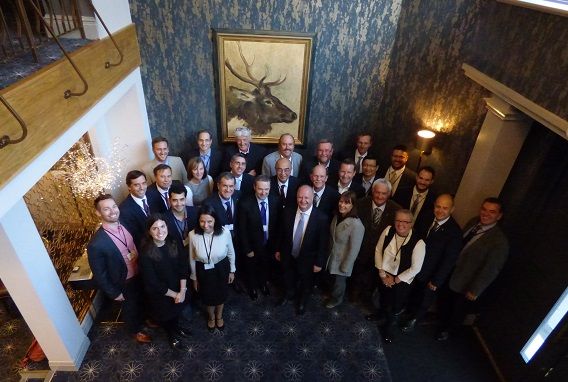
The 2018 International Seedless Dried Grape Producing Countries Conference was held in Windsor, UK on October 26. Chaired by Mr. Dappie Smit (South Africa), the conference gathered delegations and heard presentations from Argentina, Australia, Chile, South Africa, Turkey and USA.
2018 International Seedless Dried Grape Producing Countries Conference
INC Pavilion at SIAL Paris 2018
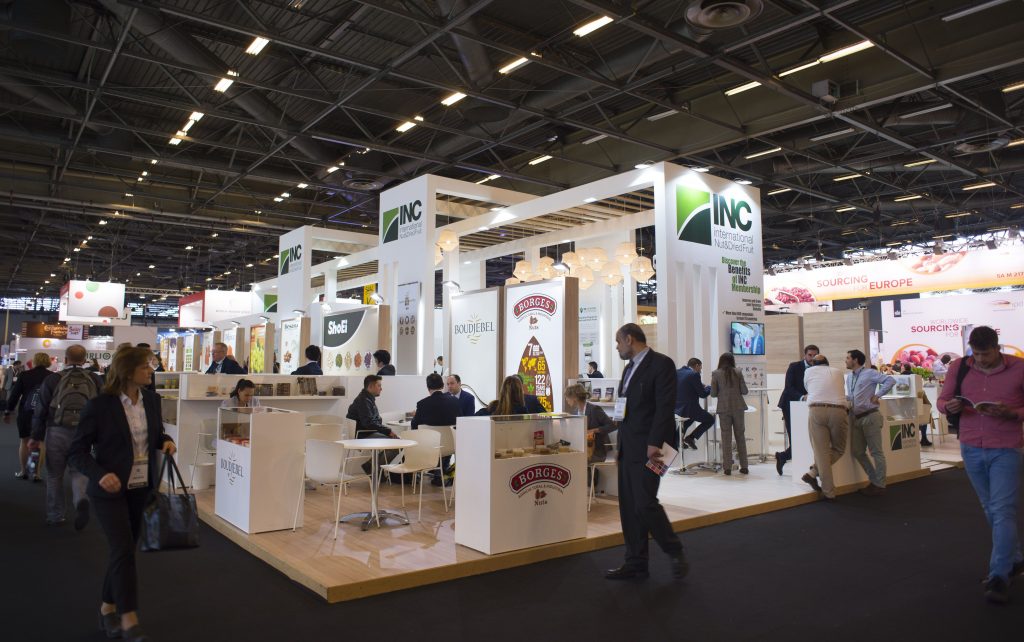
23 co-exhibitors joined the INC Pavilion at this year's SIAL Paris. From 21 to 25 October 2018 Paris turned into the largest marketplace for foodservice professionals.