
INC Pavilion at SIAL Paris 2018

23 co-exhibitors joined the INC Pavilion at this year's SIAL Paris. From 21 to 25 October 2018 Paris turned into the largest marketplace for foodservice professionals.
Dried plum polyphenolic extract combined with vitamin K and potassium restores trabecular and cortical bone in osteopenic model of postmenopausal bone loss.
Dried plum has unique anabolic effects on bone, but the responsible bioactive components have remained unclear. This study investigated components of dried plum with potential osteoprotective activity utilizing aged, osteopenic Sprague Dawley rats fed diets supplemented with a crude polyphenol extract, potassium, vitamin K or their combination. Whole body and femoral bone mineral density were restored with the […]
Metabolic syndrome, Mediterranean diet, and polyphenols: Evidence and perspectives.
Metabolic syndrome (MetS) is defined as the co-occurrence of metabolic risk factors that includes insulin resistance, hyperinsulinemia, impaired glucose tolerance, type 2 diabetes mellitus, dyslipidemia, and visceral obesity. The clinical significance of MetS consists of identifying a subgroup of patients sharing a common physiopathological state predisposing to chronic diseases. Clinical and scientific studies pinpoint lifestyle […]
Brazil nut improves the oxidative metabolism of superoxide-hydrogen peroxide chemically-imbalanced human fibroblasts in a nutrigenomic manner.
There are some genes associated to the risk of chronic diseases that present potential nutrigenetic response, such as the human manganese-dependent superoxide dismutase gene (Val16Ala-SOD2, rs4880) for which homozygous genotypes (VV and AA) are associated with higher basal superoxide (S) and hydrogen peroxide (HP) levels, respectively. It is possible that the VV- and AA-imbalance could […]
Adherence to the Mediterranean Diet Is Related to Healthy Habits, Learning Processes, and Academic Achievement in Adolescents: A Cross-Sectional Study.
BACKGROUND: Several studies have shown that following a healthy diet and practicing regular physical activity (PA) are related with multiple health benefits. However, the cognitive and academic implications of these behaviors within adolescents requires further study. MATERIAL AND METHODS: A cross-sectional study was conducted with a simple of 1059 adolescents from Spain. The main instruments […]
A Randomized Controlled Trial to Compare the Effect of Peanuts and Almonds on the Cardio-Metabolic and Inflammatory Parameters in Patients with Type 2 Diabetes Mellitus.
A low carbohydrate diet (LCD), with some staple food being replaced with nuts, has been shown to reduce weight, improve blood glucose, and regulate blood lipid in patients with type 2 diabetes mellitus (T2DM). These nuts include tree nuts and ground nuts. Tree nut consumption is associated with improved cardio-vascular and inflammatory parameters. However, the consumption of tree nuts is difficult to promote […]
Associations of Nut Intakes with Incident Sporadic Colorectal Adenoma: A Pooled Case-Control Study.
INTRODUCTION: Consumption of nuts, which contain multiple anti-carcinogenic components, has been inversely associated with colorectal cancer (CRC), particularly among women, but has not been investigated in relation to colorectal adenoma, the immediate precursor to most CRCs. METHODS: We pooled data from three case-control studies of incident, sporadic colorectal adenoma (n = 785 cases, 2107 controls) in which dietary […]
Moderate Nut Consumption May Be Associated with Lower Risk of Colorectal Tumor
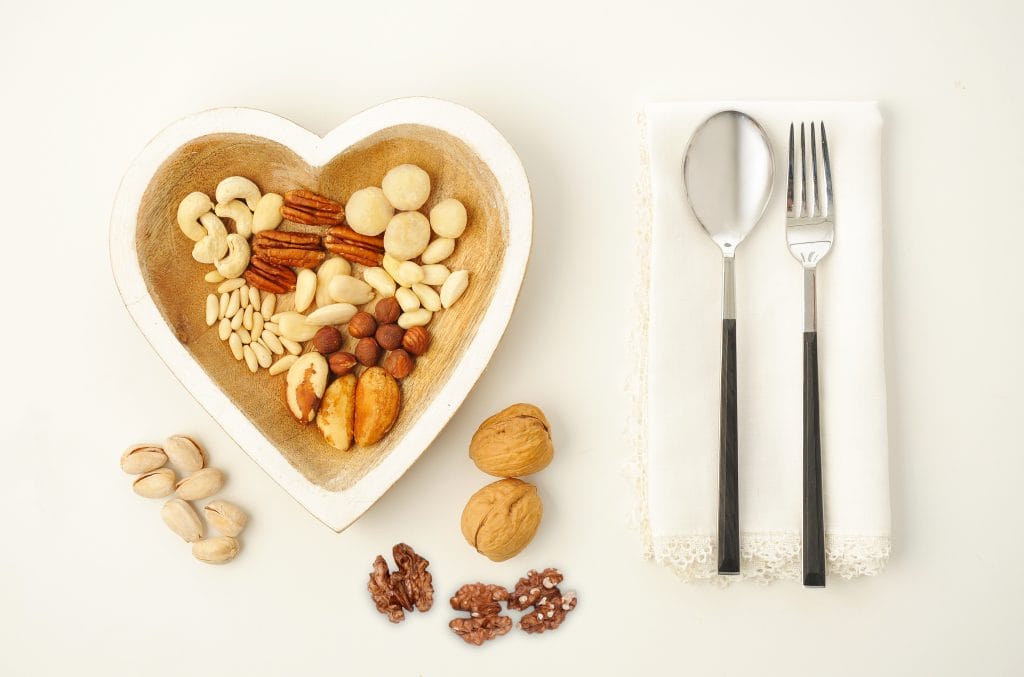
Almonds and Peanuts May Help Improve Blood Glucose in Patients with Type 2 Diabetes

Almonds and Peanuts May Help Improve Blood Glucose in Patients with Type 2 Diabetes