
The INC Academia Launches the 2nd Edition of the Executive Program on Nuts and Dried Fruits
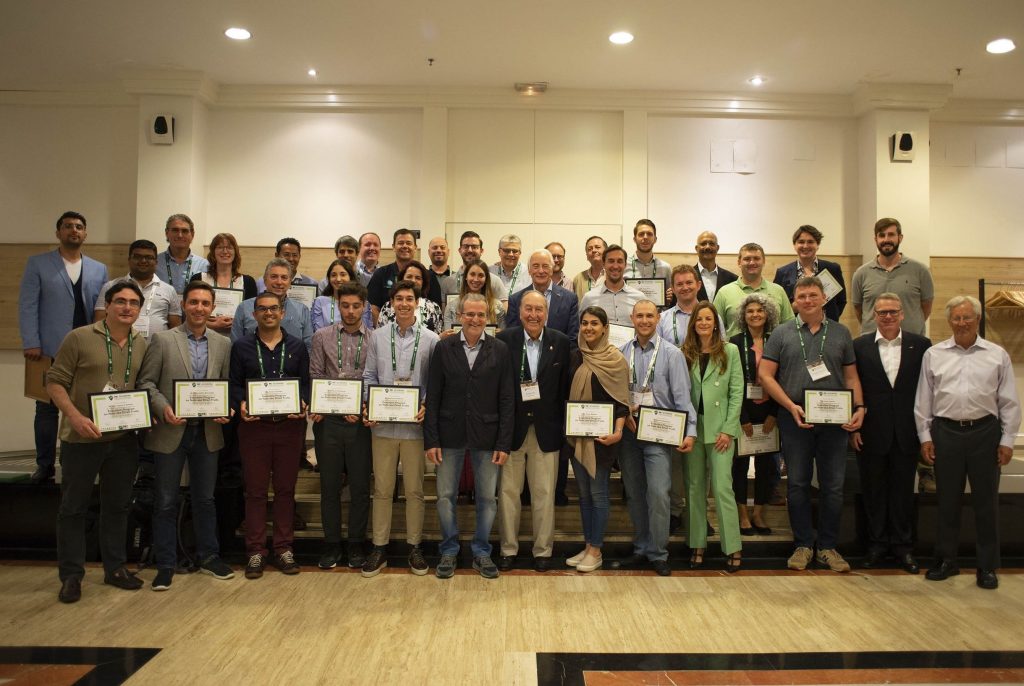
After the success of its first edition, the INC is pleased to announce the launch of the second edition of The Executive Program on Nuts and Dried Fruits, which boasts brand new learning materials. It combines a 50-hour online course and a face-to-face on-site experience of four days.
Australian Almond Conference 2018
This year’s Conference will include presentations by respected researchers and experts focussing on the entire supply chain from both a domestic and an international perspective. Speakers will address issues of industry interest; from pollination to promotion and product quality to price prediction. https://shop.australianalmonds.com.au/18th-australian-almond-conference/
New Macadamia Technical Information Kit
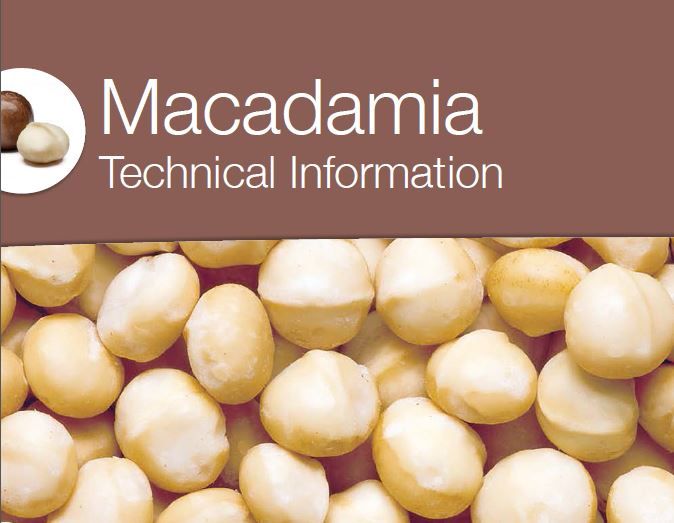
Want to Have a Better Brain Health? Diet is Key! (And Nuts Too)
New Macadamia Technical Information Kit
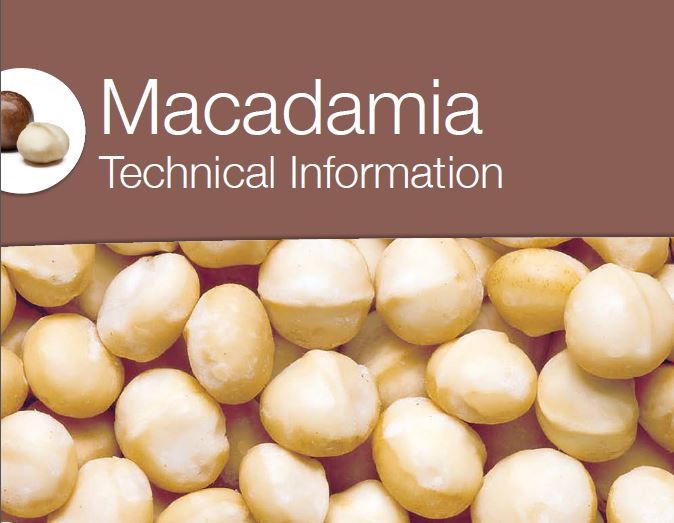
This INC Technical Information Kit about Macadamias provides a basic understanding of using macadamia nuts (characteristics, applications, food safety and quality standards) and targets buyers, importers, processors, manufacturers and the food service industry.
Want to Have a Better Brain Health? Diet is Key! (And Nuts Too)
Walnut (Juglans regia) peptides reverse sleep deprivation-induced memory impairment in rat via alleviating oxidative stress.
The aim of this study was to determine the neuroprotective effects of walnut protein hydrolysates (WPH) against memory deficits induced by sleep deprivation (SD) in rat and further to identify and characterize the potent neuroprotective peptides against glutamate-induced apoptosis in PC12 cells. Results showed that a remarkable amelioration effect on behavioral performance in Morris water […]
Effect of Hazelnut Oil on Muscle Cell Signalling and Differentiation.
Nuts-enriched diets were shown to bear beneficial effects for human's health. Among nuts, hazelnut plays a major role in human nutrition and health because of its unique fatty acid composition (predominantly MUFA), fat soluble bioactives (tocopherols and phytosterols), vitamins (vitamin E), essential minerals (selenium), essential amino acids, antioxidant phenolics (caffeic acid), dietary fiber (soluble form), and bioactive […]
Acute effects of diets rich in almonds and walnuts on endothelial function.
OBJECTIVE: Omega-3 fatty acids, especially alpha-linolenic acid (ALA), which are present in nuts may reduce cardiovascular disease (CVD) risk, by changing vascular inflammation and improving endothelial dysfunction. The objective of the study was to evaluate the acute effects of two different diets, one containing walnuts and the other almonds on endothelial function. METHODS: Twenty-seven overweight […]
A diet enriched with tree nuts reduces severity of atherosclerosis but not abdominal aneurysm in angiotensin II-infused apolipoprotein E deficient mice.
BACKGROUND AND AIMS: Diets enriched with tree nuts have been demonstrated to reduce the risk of atherosclerosis-related cardiovascular events. Abdominal aortic aneurysm (AAA) shares common risk factors with atherosclerosis and AAA patients commonly have atherosclerosis related cardiovascular events. AAA has some distinct pathological and clinical characteristics to those of atherosclerosis. No previous study has examined […]