
INC 2017/2018 Statistical Yearbook
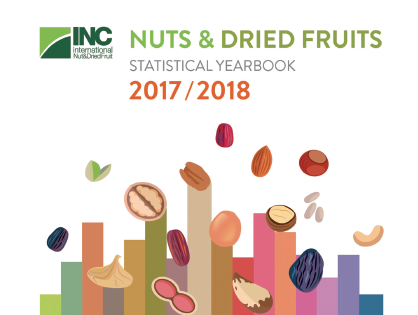
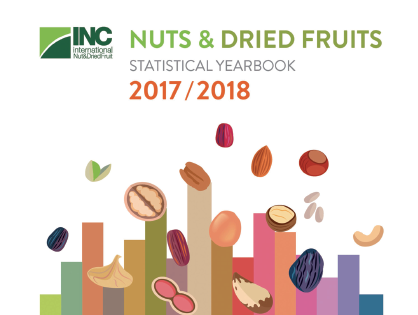
The INC is pleased to announce the publication of the eighth issue of the Statistical Yearbook (2017/2018), gathering the most relevant statistical data on production, trade and consumption of nuts and dried fruits from the last decade up to the 2017/18 season.
EU: Fosetyl

Following the publication of the EFSA’s Reasoned Opinion on foseyl-Al, Member States voted in favor to increase the fosetyl-Al MRLs in tree nuts at the Standing Committee meeting on February 26-27.
EU: Iprodione
Chile: Importation of Walnut Trees from Argentina
The Agriculture and Livestock Service of Chile (SAG) has notified the World Trade Organization of the phytosanitary requirements for the importation of walnut trees (Junglans regia) from Argentina.
Nuts May Play a Key Role in the Prevention of Cardiovascular Diseases

Australia and New Zealand: MRLs Update
Almond Consumption May Help Reduce LDL “Bad” Cholesterol
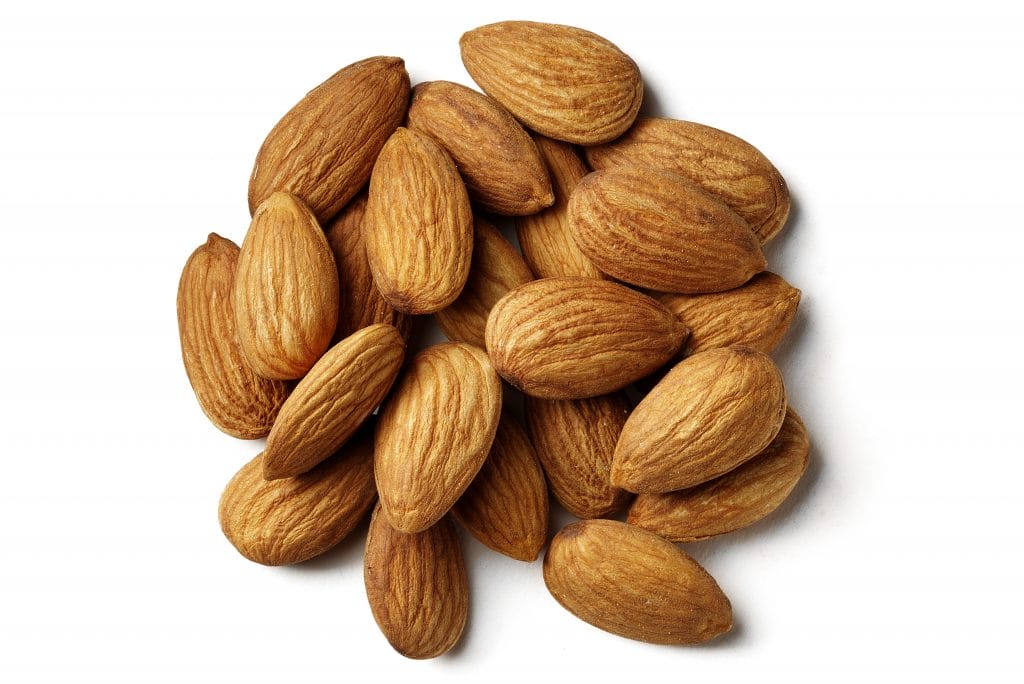
A study recently published in Nutrients journal has observed that including almonds in the diet may beneficially impact the lipid profile.
INC 2017/2018 Statistical Yearbook
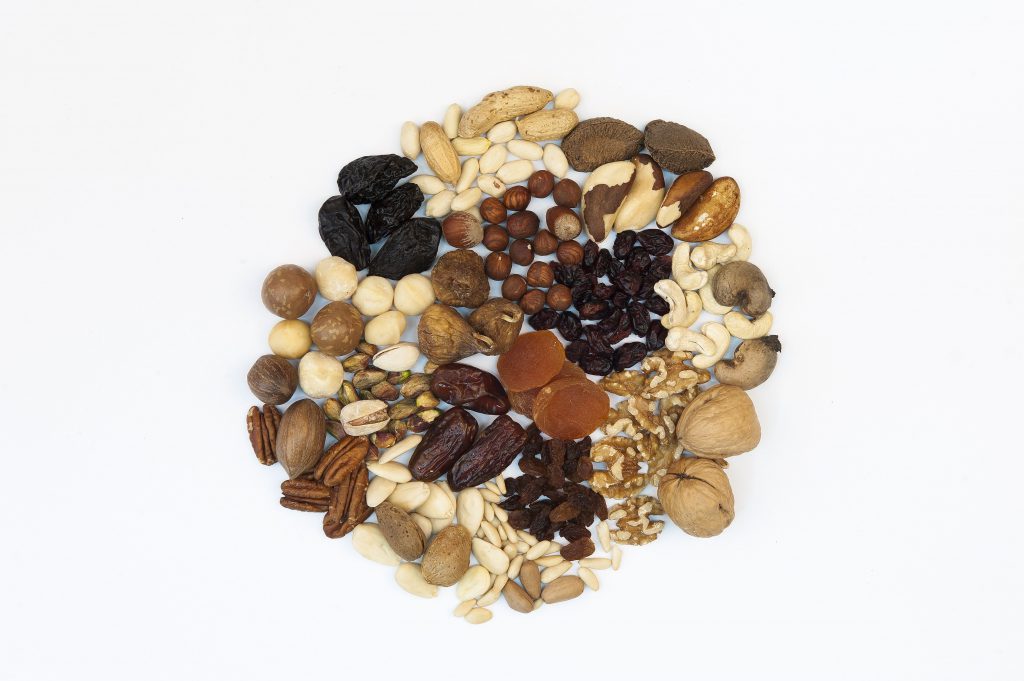
6th Global Inter-Board Cooperation Summit
USA: Organic Food