
Transposons played a major role in the diversification between the closely related almond (Prunus dulcis) and peach (P. persica) genomes: Results from the almond genome sequence.
Combining both short and long-read sequencing, we have estimated the almond Prunus dulcis cv. Texas genome size in 235 Mbp and assembled 227.6 Mb of its sequence. The highly heterozygous compact genome of Texas comprises eight chromosomes, to which we have anchored over 91% of the assembly. We annotated 27,042 protein-coding genes and 6,800 non-coding […]
23rd Food & Hotel China 2019
After 24 years of development, FHC has become the industry's leading trade show. It is a platform for food and hospitality industry to enter the Chinese food and beverage market. The last exhibition hosted 3,000 exhibitors from 48 countries and regions. The exhibition area has expanded to 120,000 square meters, and the scale is beyond […]
The INC Sponsored a session on “Nuts and Cardiometabolic Health” within the Today’s Dietitian Annual Meeting
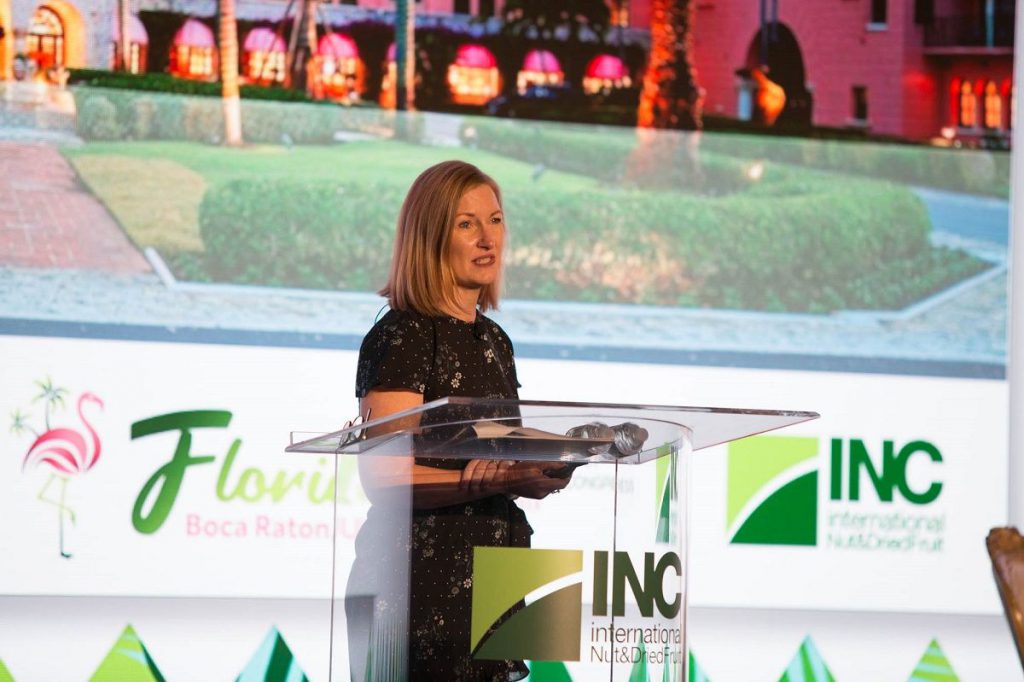
Dr. Vicki McWilliam Presented an Update of Current Evidence and Management on Nut Allergies during the Scientific Seminar in Boca Raton
Prof. Linda Tapsell Presented the Latest Findings on Nuts and Health at the Nutrition Seminar in Boca Raton
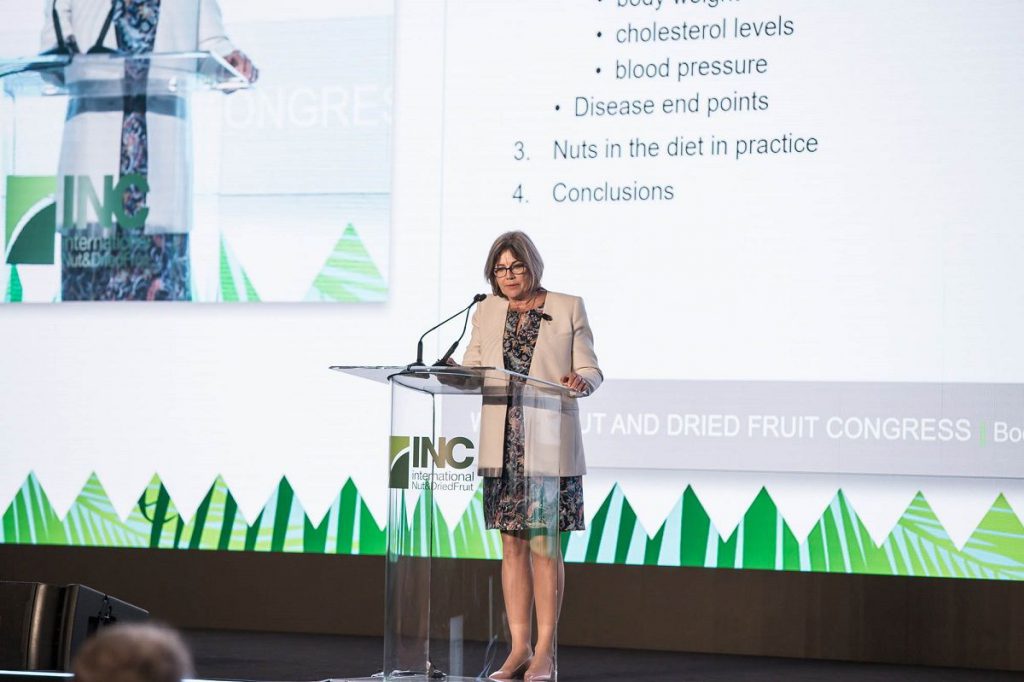
Prof. Linda Tapsell Presented the Latest Findings on Nuts and Health at the Nutrition Seminar in Boca Raton
At the conference, titled “Nuts as part of a healthy diet: evidence and insights from research”, Prof. Linda Tapsell, Senior Professor of School of Medicine of the University of Wollongong, Australia, talked about different health topics in relation to nut consumption and the scientific evidence to date.
Dr. Vicki McWilliam Presented an Update of Current Evidence and Management on Nut Allergies during the Scientific Seminar in Boca Raton
This year, the Scientific Seminar invited an expert on allergy as a guest speaker: Dr. Vicki McWilliam, Clinical Allergy Dietitian and Researcher at the Royal Children’s Hospital and Murdoch Children’s Research Institute of Melbourne, Australia.
Dr. Vicki McWilliam Presented an Update of Current Evidence and Management on Nut Allergies during the Scientific Seminar in Boca Raton
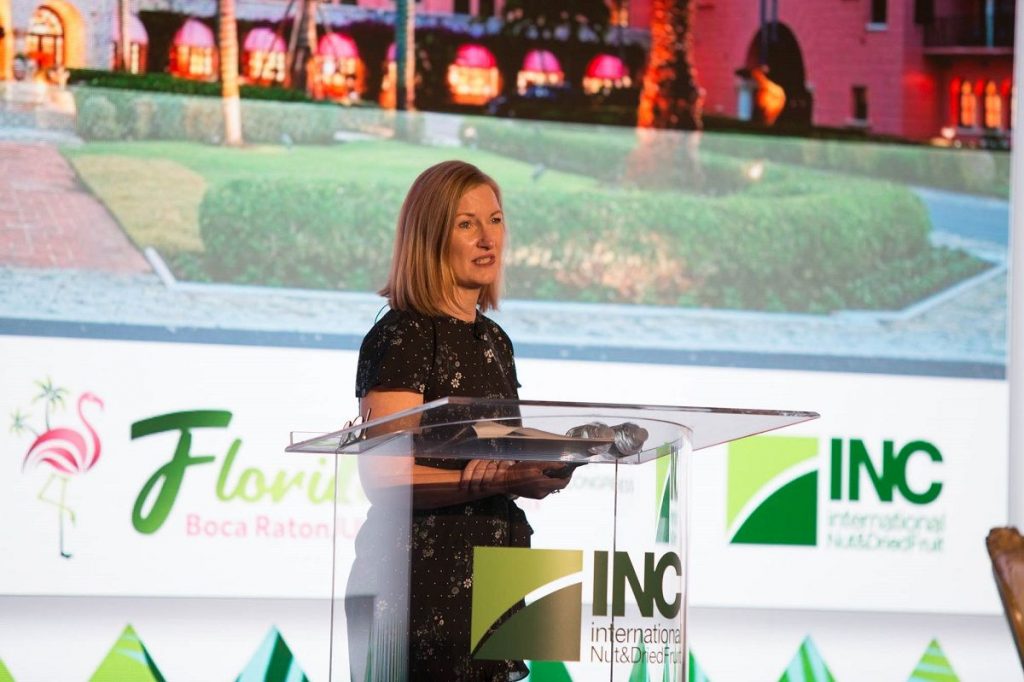
This year, the Scientific Seminar invited an expert on allergy as a guest speaker: Dr. Vicki McWilliam, Clinical Allergy Dietitian and Researcher at the Royal Children’s Hospital and Murdoch Children’s Research Institute of Melbourne, Australia.
The INC Sponsored a session on “Nuts and Cardiometabolic Health” within the Today’s Dietitian Annual Meeting
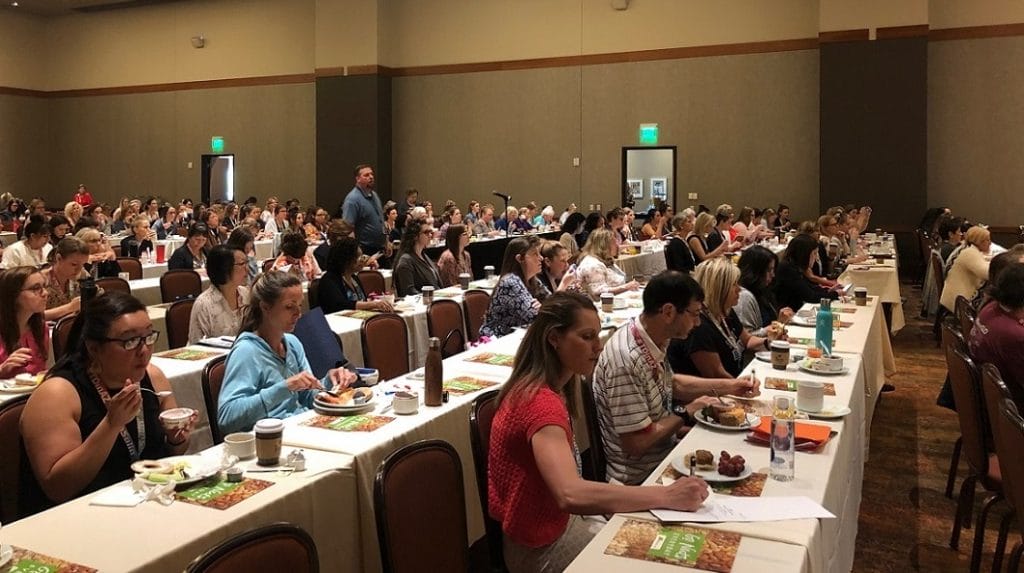
Today’s Dietitian hosted the 6th Annual Spring Symposium at the Talking Stick Resort in Scottsdale, Arizona, USA, on May 19-22, 2019. This continuing education and networking event for dietitians and nutrition professionals featured a diverse program of sessions and workshops plus a variety of opportunities to interact and network with fellow Registered Dietitians in attendance.
Prof. Linda Tapsell Presented the Latest Findings on Nuts and Health at the Nutrition Seminar in Boca Raton
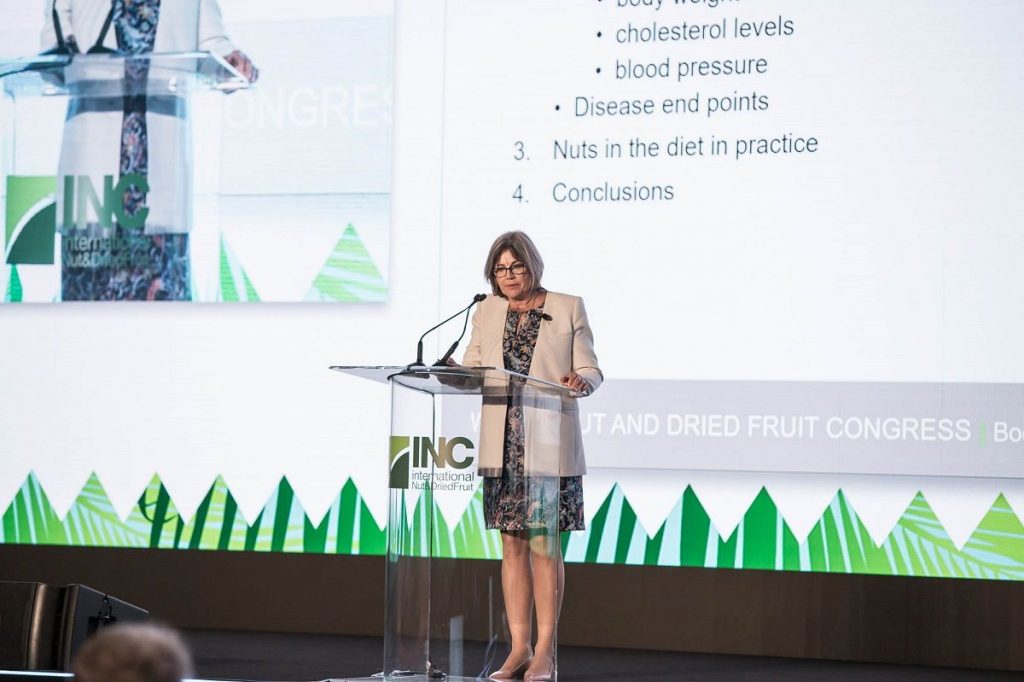
At the conference, titled “Nuts as part of a healthy diet: evidence and insights from research”, Prof. Linda Tapsell, Senior Professor of School of Medicine of the University of Wollongong, Australia, talked about different health topics in relation to nut consumption and the scientific evidence to date.