
New Study Shows that Nut Consumption May Help Improve Erectile Function
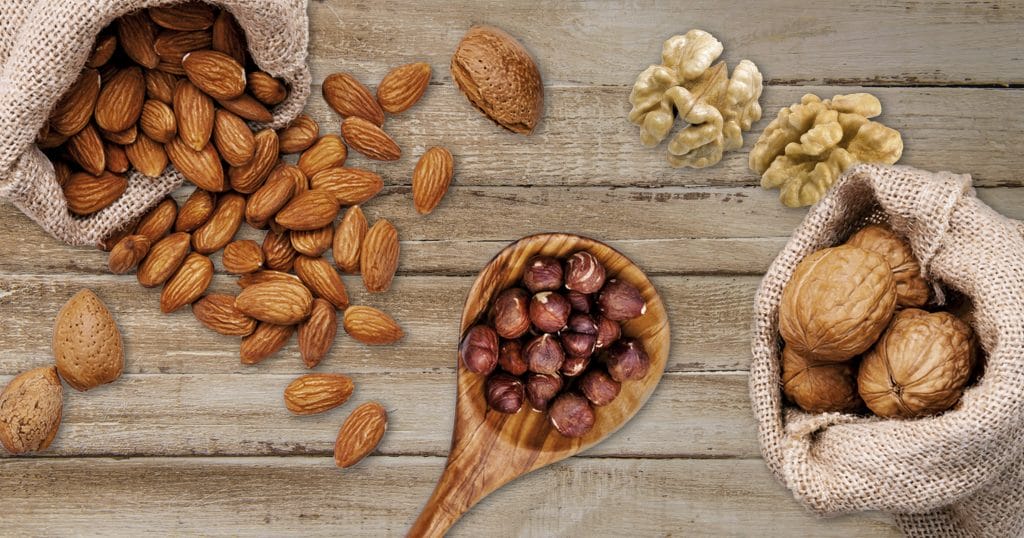
A recent study, partially supported by the INC and published in the journal Nutrients[1], observed a significant increase in erectile function after the consumption of 60 g/day of nuts. Lifestyle risk factors such as smoking or stress may influence erectile dysfunction through the vascular and nervous system. This study explored the effects of nut supplementation on erectile function.
Nut and Dried Fruit Health Benefits at the International Symposium on Diabetes & Nutrition
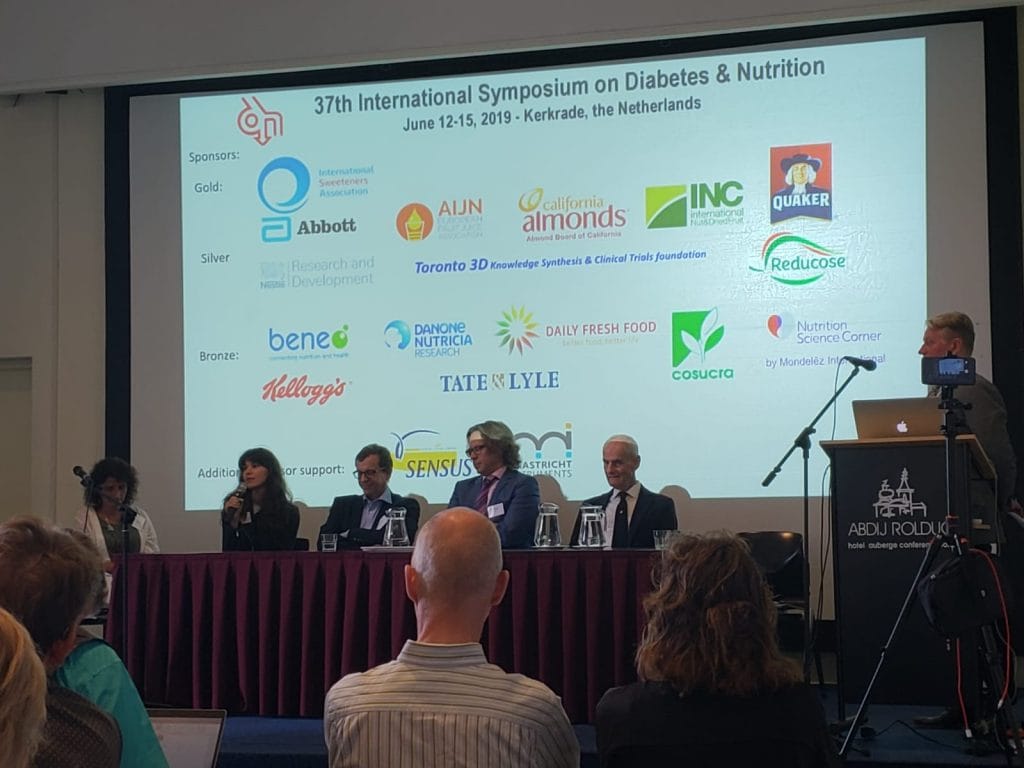
The Diabetes and Nutrition Study Group (DNSG) of the European Association for the Study of Diabetes held the 37th International Symposium on Diabetes & Nutrition in Kerkrade, The Netherlands, from June 12-14, 2019.
Nut and Dried Fruit Health Benefits at the International Symposium on Diabetes & Nutrition
India: Additional Tariffs

On June 16, 2019, India imposed higher customs duties on 28 products imported from the US, including almonds and walnuts, among other products.
Vietnam: Raw Cashew Nut Standard
On June 12, 2019, the Vietnam Cashew Association (VINACAS) announced the publication of the 1st edition of Vietnamese Standard TCVN 12380:2018: Raw cashew nut (RCN) – Technical requirements.
Mr. Michael Waring Appointed New Chairman of the INC

Waring succeeds Mr. Mark Mariani, Executive Chairman of Mariani Packing Company, after four years of presidency of the INC
Great Success for the INC Academia Executive Program for the Second Consecutive Year
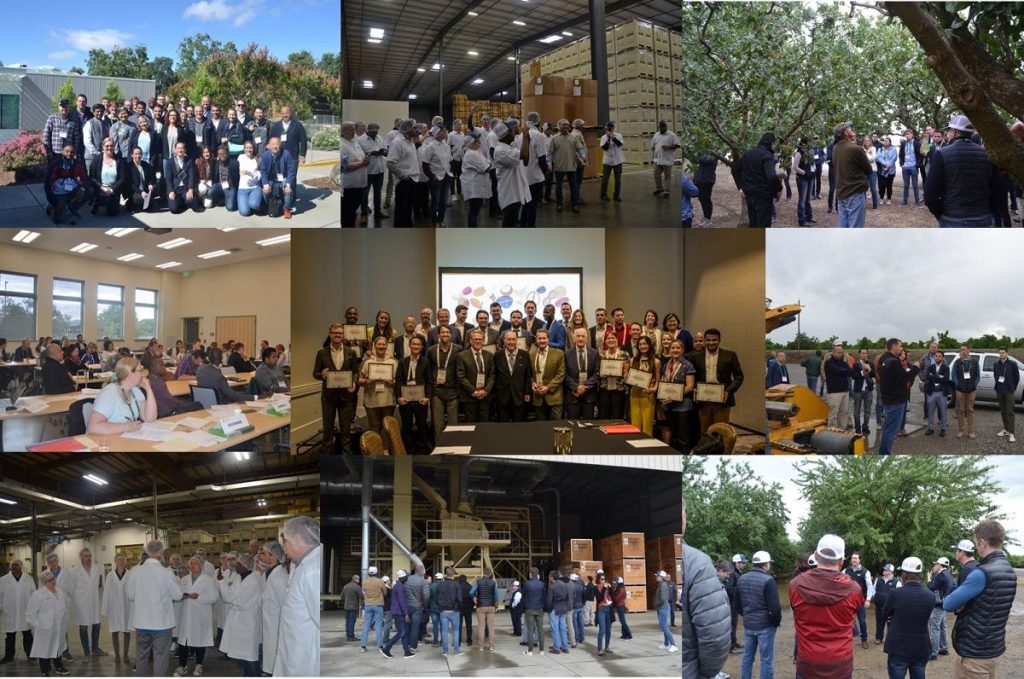
The second edition of the INC Academia, Executive Program on Nuts and Dried Fruits, closed on May 21, 2019, with a total of 51 students from 25 countries, 21% more than in the previous edition. With this success, the INC Academia continues to grow as the education program for food industry professionals to learn about the basics of the nut and dried fruit business.
Great Success for the INC Academia Executive Program for the Second Consecutive Year
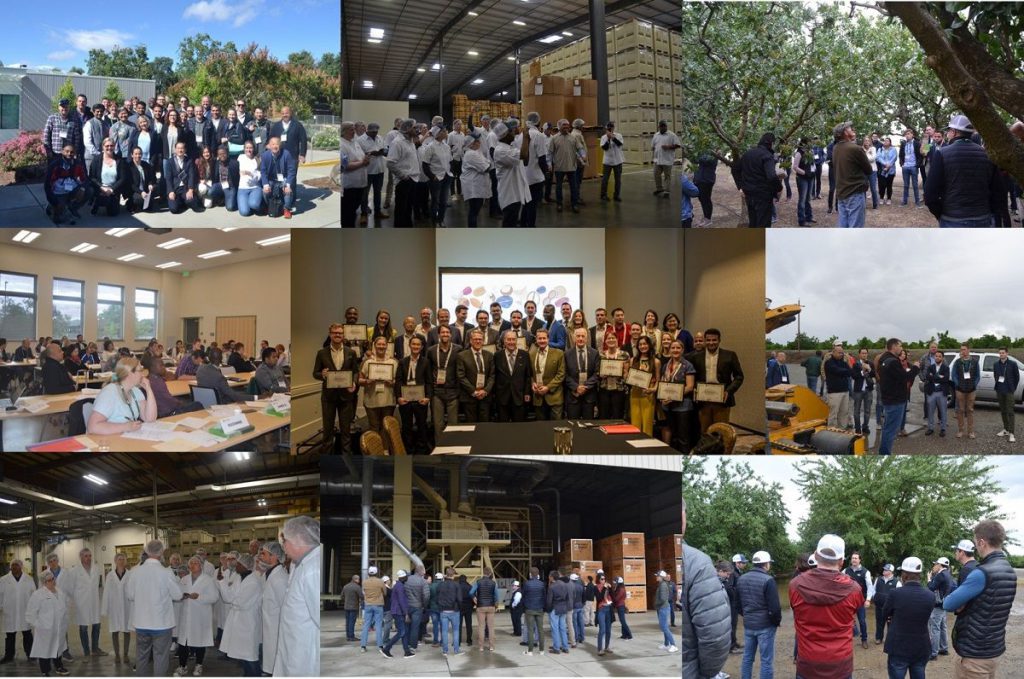
The second edition of the INC Academia, Executive Program on Nuts and Dried Fruits, closed on May 21, 2019, with a total of 51 students from 25 countries, 21% more than in the previous edition. With this success, the INC Academia continues to grow as the education program for food industry professionals to learn about the basics of the nut and dried fruit business.
Mr. Michael Waring Appointed New Chairman of the INC

Waring succeeds Mr. Mark Mariani, Executive Chairman of Mariani Packing Company, after four years of presidency of the INC
China International Tree Nuts Conference 2019
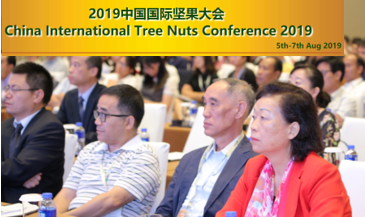
The Conference aims at improving exchanges between domestic and international enterprises to promote a healthy and order development of the nuts industry. Experts from over 20 tree nuts producing countries or regions will be invited to the conference to share their opinions on the global market and related policies. It will be a great reference […]