The Impact of COVID-19 on the Global F&B Industry, ENG Webinar

Valorisation of agricultural biomass-ash with CO 2.
This work is part of a study of different types of plant-based biomass to elucidate their capacity for valorisation via a managed carbonation step involving gaseous carbon dioxide (CO2). The perspectives for broader biomass waste valorisation was reviewed, followed by a proposed closed-loop process for the valorisation of wood in earlier works. The present work […]
Characterization of pecan shells and their effect on the physical properties and acceptability of smoked chicken breast.
Pecan shells were used as a source of smoke for cooked chicken breast and compared with samples smoked with hickory, mesquite, and apple tree wood. The wood moisture content ranged from 7.94% to 11.43%, whereas ash ranged from 0.97% to 3.11%. The particle size varied among the smoke sources, with chopped pecan shells having more […]
Catalytic ozonation oxidation of ketoprofen by peanut shell-based biochar: Effects of the pyrolysis temperatures.
A series of peanut shell (HS)-based biochar were prepared at different pyrolysis temperatures and subsequently used as the effective ozonation catalysts for ketoprofen (KET) degradation in aqueous solution. The physicochemical properties and morphology of the obtained biochar were analyzed by ICP, TG, XRD, FT-IR, SEM, TEM, BET and etc. characterizations. The results demonstrated that the pyrolysis temperature […]
Future-proof and sustainable healthy diets based on current eating patterns in the Netherlands.
Background: To keep global warming <1.5°C as recommended by the Intergovernmental Panel on Climate Change (IPCC), eating patterns must change. However, future diets should be modeled at a national level and respect cultural acceptability. Objectives: We aimed to identify diets among Dutch adults satisfying nutritional and selected environmental requirements while deviating minimally from the baseline diet among […]
Isolation and characterization of micro and nanocrystalline cellulose fibers from the walnut shell, corncob and sugarcane bagasse.
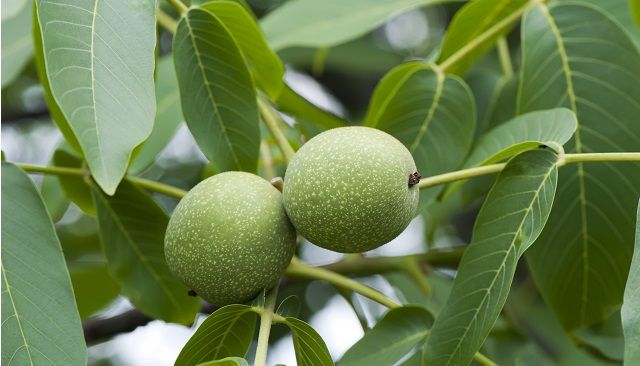
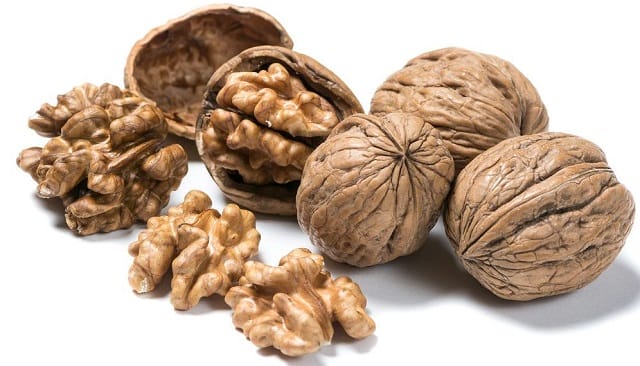
The present study aims to extract and characterize the microcrystalline cellulose (MCC) present in different agro-industrial wastes such as walnut shells, corncob, and sugarcane bagasse. Moreover, it is also the aim of this study to convert MCCs to nanocrystalline cellulose fiber (NCCF), to demonstrate the difference in morphological, structural, thermal, and chemical natures. Corncob cellulose […]
Effect of Different Method of Drying of Five Varieties Grapes (Vitis vinifera, L.) on the Bunch Stem on Physicochemical, Microbiological, and Sensory Quality.
The influence of the drying technique on certain quality attributes of dried grapes was analysed. Five varieties of grape were used in this study (Bezsemenné, Perlette, Vrboska, Beauty seedless, and Jakubské). All the varieties were dried using four methods: drying at 40 °C, combined drying (70, 65, and 60 °C), drying at 70 °C, and […]
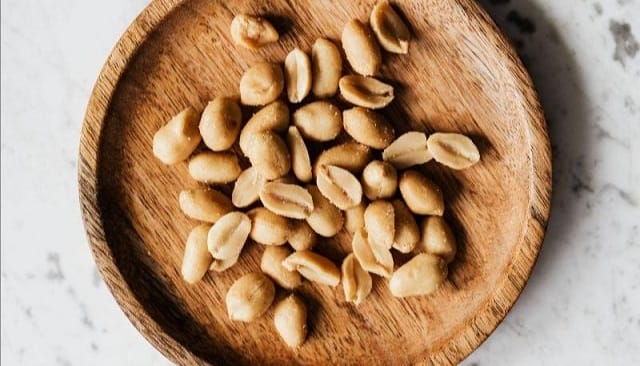
Fungal Variation during Peanut Paste Storage.
Peanut paste produced in multipurpose mills is very often the site of choice for fungal contaminants that pose a major risk to consumers. The objective of this study is to evaluate the level of fungal contamination of peanut paste produced according to different moulding processes during storage. Thirty samples of peanut paste were produced from […]
Improving walnuts' preservation by using walnut phenolic extracts as natural antioxidants through a walnut protein-based edible coating.
Walnut kernels contain high amounts of polyunsaturated fatty acids that determine a limited shelf life on these nuts. The application of walnut phenolics as antioxidants through a walnut protein-based coating, obtained from walnut oil cake residue, can help to increase the shelf life of walnuts. The objective was to evaluate the preservative effect of walnut […]
Modeling the Effects of Product Temperature, Product Moisture, and Process Humidity on Thermal Inactivation of Salmonella in Pistachios during Hot-Air Heating.
Prior efforts to model bacterial thermal inactivation in/on low-moisture foods generally have been based on isothermal and iso-moisture experiments and rarely included dynamic product and process variables. Therefore, the objective of this study was to test appropriate secondary models to quantify the effect of product temperature, product moisture, and process humidity on thermal inactivation of […]