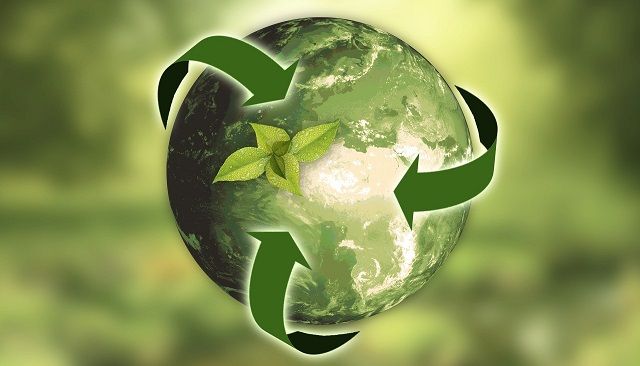
On September 28, 2020, the INC participated in the online Sustainability Working Group meeting organized by the European Federation of the Trade in Dried Fruit & Edible Nuts, Processed Fruit & Vegetables, Processed Fishery products, Spices, Honey (FRUCOM).
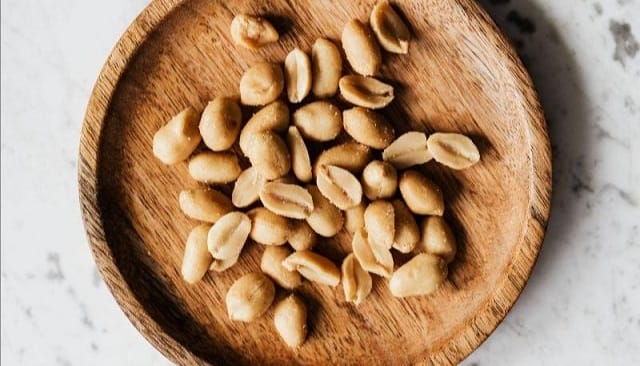
Researchers have published a study in the journal The Lancet Child & Adolescent Health that examined the efficacy and safety of a new oral biologic drug called AR101 against peanut allergies.

On September 29, 2020, the INC participated in the online webinar on Mycotoxins in dried fruits, tree nuts and peanuts organized by the European Federation of the Trade in Dried Fruit & Edible Nuts, Processed Fruit & Vegetables, Processed Fishery products, Spices, Honey (FRUCOM).
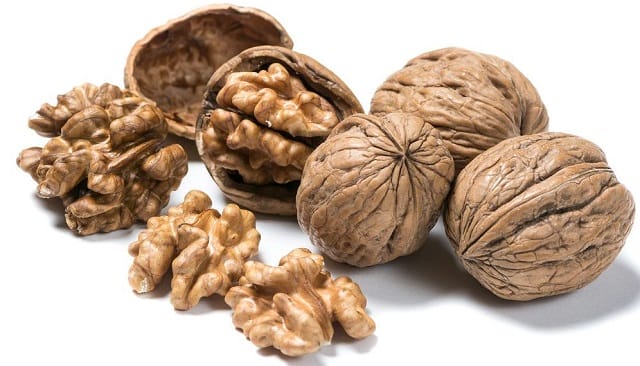
A new study published in Public Health Nutrition explored the relationship between walnut consumption and the cognitive function, focusing on an older population.

Fate broke Richard Doggett’s stride last Friday. He was just 72. Our thoughts go to his wife Chrissy and their children, Abbey, Polly, Gabrielle and Jacqui, to sons-in-law Shane and Rueben and to grandchildren Ned, Matilda and Will. Also, to the many friends Richard made over a life well lived.

Fate broke Richard Doggett’s stride last Friday. He was just 72. Our thoughts go to his wife Chrissy and their children, Abbey, Polly, Gabrielle and Jacqui, to sons-in-law Shane and Rueben and to grandchildren Ned, Matilda and Will. Also, to the many friends Richard made over a life well lived.
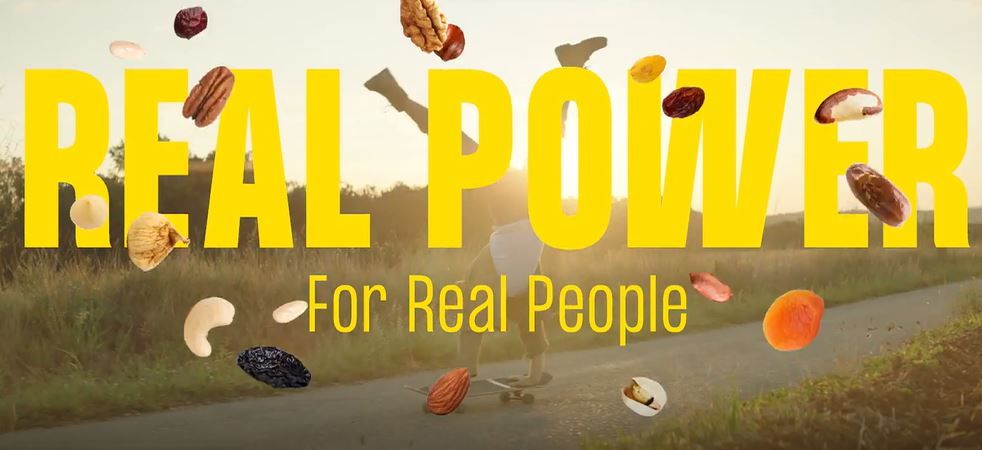
This year's dissemination plan is coming soon! Stay up-to-date and don't miss the launch! The campaign will connect the "Real Power" you get from consuming nuts & dried fruits to attitudinal immunity with a goal to promote the global consumption of nuts & dried fruits.

On September 29, 2020, the INC participated in the online webinar on Mycotoxins in dried fruits, tree nuts and peanuts organized by the European Federation of the Trade in Dried Fruit & Edible Nuts, Processed Fruit & Vegetables, Processed Fishery products, Spices, Honey (FRUCOM).
Activated carbons derived from biomass have been proved to be one of the most promising adsorbents due to their abundance, low cost, reproducibility and environmental friendliness. In this study, a simple, facile and effective pyrolysis method was demonstrated to prepare hierarchical porous biomass charcoal by using peanut shells as precursor without chemical activation in an […]
Salinity expressed as total dissolved solids (TDS), is the most challenging parameter in bioremediation of produced water which may inhibit the microbial activities and cause sedimentation problems. The present study explores the feasibility of using walnut shell as an inexpensive and accessible adsorbent-carrier for the immobilization of isolated halophilic microorganisms for treatment of synthetic oilfield […]
