
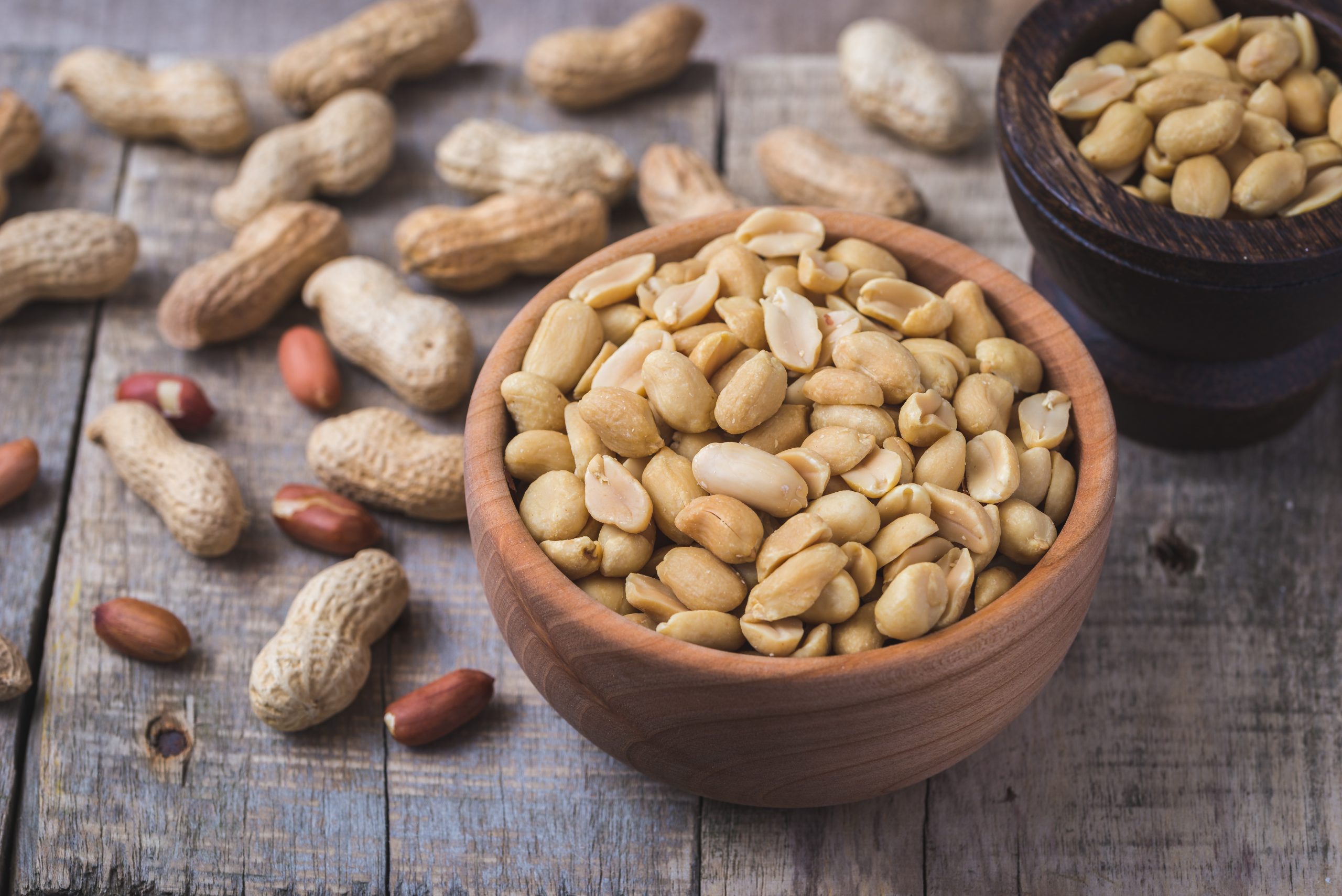
Daily consumption of unsalted, skin-roasted peanuts may benefit brain insulin responsiveness in older adults, according to a new randomized, controlled crossover trial published in Food & Function. The study involved 31 adults aged 60–75 years who consumed 60 grams of unsalted, skin-roasted peanuts daily for 16 weeks and completed a 16-week control period without peanuts.
The study found a potentially beneficial effect on insulin responsiveness in a region of the right brain hemisphere encompassing parts of the hippocampus, parahippocampal gyrus and lingual gyrus, areas involved in memory. The findings suggest that peanut consumption may support brain health by influencing insulin responsiveness in brain regions involved in memory.
The researchers observed no significant changes in liver fat content or markers of glucose homeostasis, lipid metabolism and low-grade systemic inflammation over the intervention period. They suggested that multiple nutrients in peanuts, including unsaturated fats, dietary fiber and bioactive compounds, could potentially contribute to the observed brain benefits.
Reference: Kerkhof, L., Mensink, R. P., Plat, J., Nijssen, K. M. R., & Joris, P. J. (2026). Daily consumption of unsalted, skin-roasted peanuts beneficially affects regional brain insulin responsiveness in older adults: results of a longer-term randomized controlled trial. Food & Function, 17(20), 9354–9364.