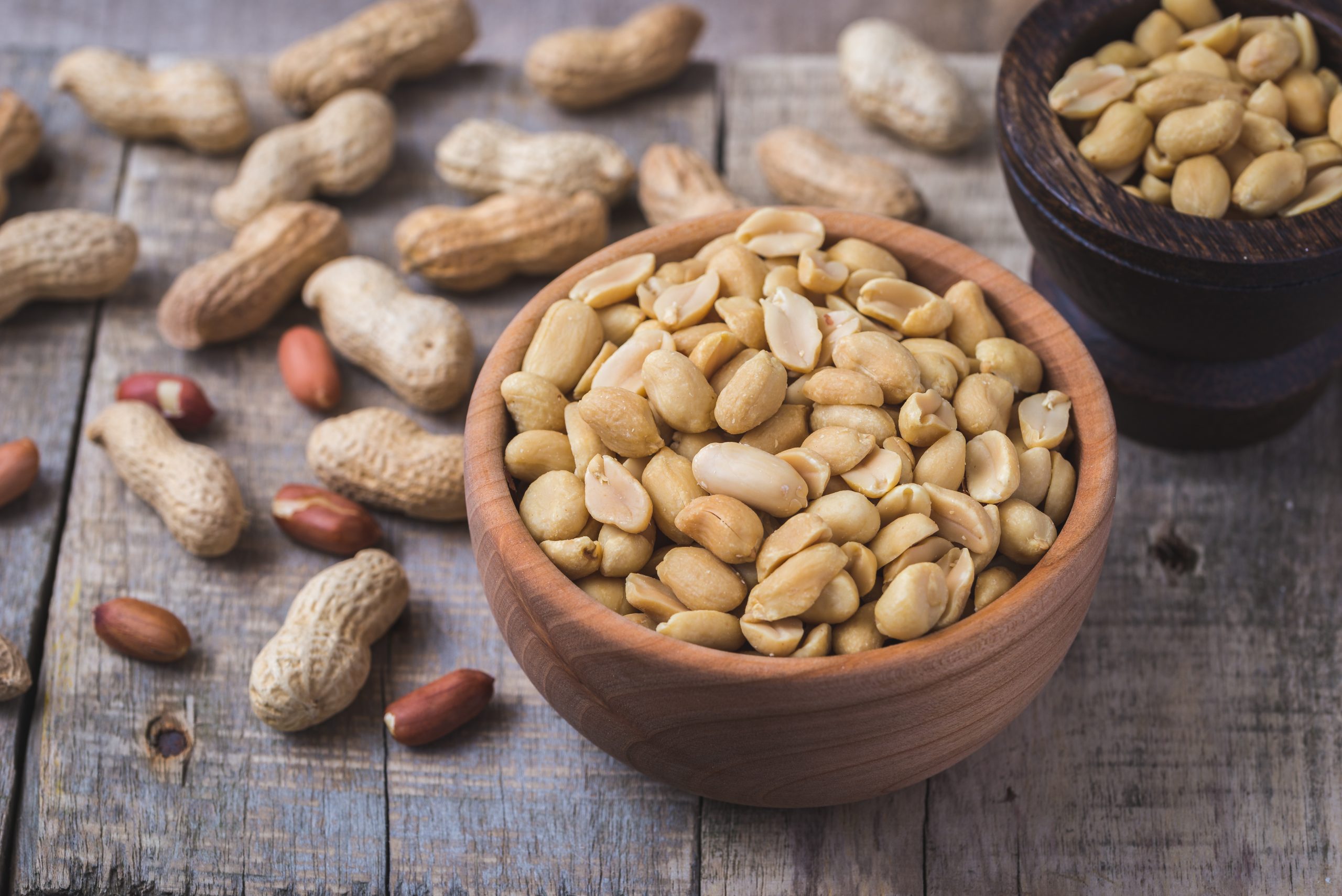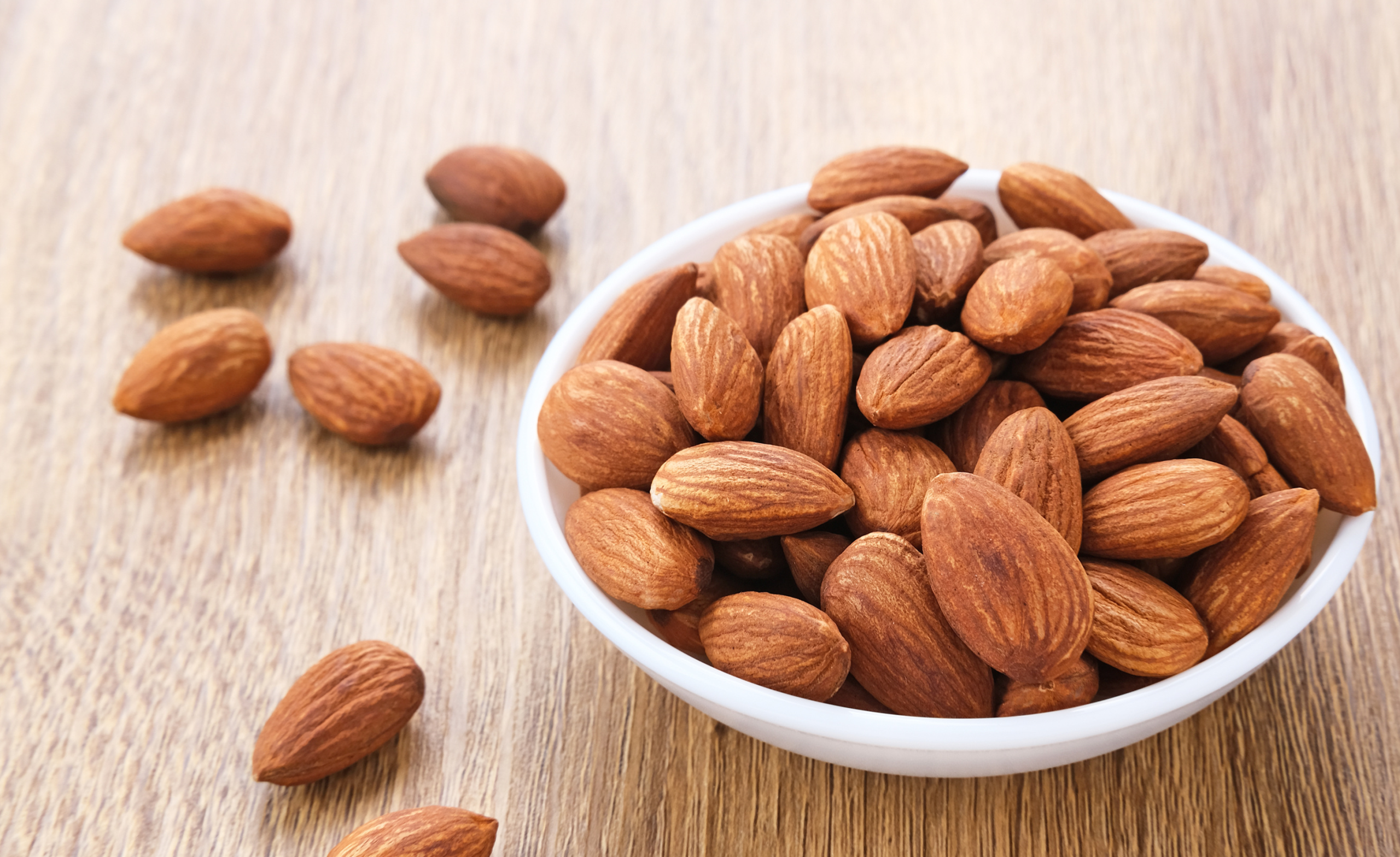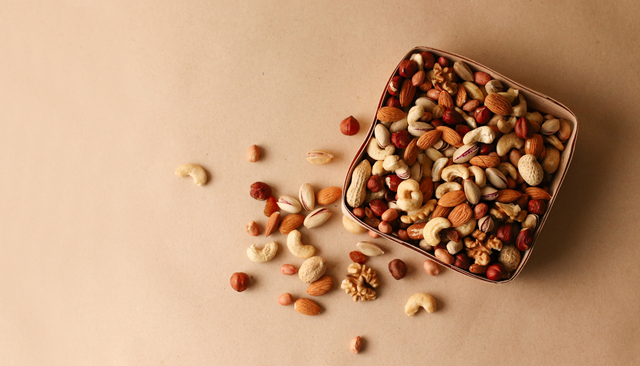
On June 25, 2026, the Council of the European Union formally adopted legislation implementing the tariff elements of the August 2025 EU-US Joint Statement. In addition to setting customs duties at 0% for various dried fruits from the US, the legislation envisages a 500,000 metric ton tariff-rate quota for US tree nuts entering the EU market.
The legislation sets a 0% customs duty for products including the following: dried sultanas (0806 20 30), dried grapes excluding currants and sultanas (0806 20 90), dried apricots (0813 10 00), dried prunes (0813 20 00), dried fruit – other (0813 40 95), and cranberries (2008 93). The tariff rate quota includes CN code 0802, which includes almonds, hazelnuts, walnuts, pistachios, macadamia nuts, pine nuts and pecans, whether shelled or in-shell, and CN code 200819, “Nuts and other seeds, including mixtures, prepared or preserved (excluding groundnuts)”—a category that includes roasted almonds and pistachios.
The legislation will now be signed and published in the Official Journal of the European Union, entering into force on the day following their publication.
India Seeks Preferential Tariff Terms in Push to Finalize Trade Deal With United States
US Trade Representative Jamieson Greer is set to visit India for two days of talks this week as New Delhi pushes to finalize a bilateral trade agreement on terms more favorable than those offered to competing Asian economies, according to a Reuters report on June 22. The negotiations come as both sides seek to repair strained ties and revive momentum after an initial trade understanding reached in February.
India is seeking a competitive tariff advantage over regional peers, including ASEAN manufacturing hubs such as Viet Nam, with Trade Minister Piyush Goyal stating that New Delhi wants assurances that its exporters will gain a comparative edge under any final agreement. India would also like the deal concluded before July 24, when Washington’s temporary 10% tariff on trading partners is due to expire.
Negotiations remain complicated by the US Section 301 probe into alleged overcapacity and forced labor, as well as broader uncertainty over Washington’s tariff policy after the US Supreme Court invalidated the Trump administration’s sweeping global tariffs. Reuters noted that India is also seeking guarantees that no additional tariffs will be imposed after a deal is reached, while the US side has said the talks are aimed at achieving “fair, balanced and reciprocal trade.”
Mexico-EU Trade Agreement Endorsed by Key European Parliamentary Committees
On June 23, 2026, the European Parliament’s Foreign Affairs and International Trade committees endorsed the EU-Mexico modernized global agreement (MGA), paving the way for closer political ties and expanded trade. In an accompanying resolution, adopted by 57 votes to 14, with 13 abstentions, MEPs stressed that under the most ambitious scenario, total EU exports of goods and services could increase by 75%, while EU companies could save up to €100 million annually in customs duties. They noted that the MGA would remove almost all remaining tariffs, benefitting EU farmers and agri-food exporters. They also welcomed that 568 geographical indications for traditional European agri-food products will be protected in Mexico.
A plenary vote in the European Parliament is expected in July. The Council will then be able to formally conclude the agreement, after which it will need to be ratified by all EU member states and Mexico before fully entering into force.
New Generalized Scheme of Preferences Published in EU’s Official Journal
The EU’s new Generalized Scheme of Preferences (GSP) regulation was published in the Official Journal of the European Union on June 22, 2026. Applying from January 1, 2027, it will provide reduced or zero tariffs on imports from 65 developing countries. The scheme retains its three arrangements: Standard GSP, GSP+ and Everything But Arms (EBA), now extended indefinitely.
Several GSP beneficiaries are significant suppliers of nuts and dried fruits to the EU, including cashews and peanuts from West Africa and India and various dried fruits. Due to new admission rules, current GSP+ beneficiaries must reapply to continue benefitting from GSP+ status.
For more information, see the Commission’s Questions and Answers and factsheet.
Trade Gap Between Tanzania and South Korea Narrows as Exports Increase
Trade relations between Tanzania and South Korea show signs of improvement, with the trade gap narrowing as Tanzanian exports to the Asian market continue to grow. Citing a recent report from the Tanzania Trade Development Authority (TanTrade), Tanzania’s Daily News noted that export performance has strengthened, helping to reduce the imbalance traditionally observed in bilateral trade flows. Despite these gains, imports from South Korea remain significantly higher, maintaining an overall trade deficit. However, the recent narrowing of the gap suggests a gradual shift towards a more balanced trade relationship. The TanTrade report identified cashews as one of the products with strong potential for increased exports.