


Agronomic response, transpiration and water productivity of four almond production systems under different irrigation regimes

In recent years, more intensive production systems have been developed, coinciding with a growing scarcity of water resources. This context underscores the imperative of prioritizing water productivity (WP) as a critical factor in choosing the optimal production system to minimize agricultural water use. This study aims to contribute by evaluating WP in almond orchards under four production systems: open vase with severe pruning (open vase), open vase with minimal pruning (open vase (MP)), central axis and hedgerow. Three irrigation treatments were applied over two consecutive growing seasons: fully irrigated, mild stress and severe stress. Crop transpiration was monitored over the two years using both sap flow sensors and the two-source energy balance (TSEB) model with remote sensing. The severe stress treatment exhibited a notable reduction in kernel yield and nut load of 31.6 % and 34.5 %, respectively, in the second year of water deficit. The hedgerow system tended to have similar kernel yield to the open vase (MP) and central axis systems, and higher compared to the open vase system. Additionally, both transpiration measurement methods revealed that hedgerow exhibited lower transpiration rates across all irrigation treatments. Therefore, the highest WP was observed in the hedgerow system throughout both studied years. Similar findings were derived from the analysis of long-term data. Our findings indicate that the hedgerow production system had the highest WP, averaging 0.43 kg m−3 historically, compared to 0.33 kg m−3 for the open vase, 0.34 kg m−3 for the open vase (MP), and 0.36 kg m−3 for the central axis systems. https://doi.org/10.1016/j.scienta.2024.113335


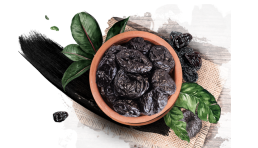
Prune Supplementation May Reduce Proinflammatory Cytokine Secretion and Monocyte Activation in Postmenopausal Women

The findings add scientific knowledge about how prunes prevent bone mineral density loss

Peripheral blood mononuclear cells (PBMCs), particularly monocytes, are an important source of proinflammatory cytokines that play a key role in postmenopausal bone loss. A recent study published in The Journal of Nutrition examined the effect of prune consumption on monocyte activation and cytokine secretion from PBMCs in postmenopausal women.

The study formed part of The Prune Study, a large, single-center, parallel-arm, 12-month randomized controlled trial completed with 183 postmenopausal women ranging in age from 55 to 75. Participants were randomly assigned to one of three groups: a group that ate 50 grams of prunes daily, a group that ate 100 grams of prunes daily, or a control group that did not eat any prunes. The researchers assessed the effect of prune supplementation on a comprehensive panel of immune, inflammatory and oxidative stress markers.

The findings showed that prune supplementation reduced proinflammatory cytokine secretion from PBMCs and suppressed circulating levels of activated monocytes in postmenopausal women.

This study was supported by the California Prune Board.

Damani, J. J., Oh, E. S., De Souza, M. J., Strock, N. C., Williams, N. I., Nakatsu, C. H., Lee, H., Weaver, C., & Rogers, C. J. (2024). Prune Consumption Attenuates Proinflammatory Cytokine Secretion and Alters Monocyte Activation in Postmenopausal Women: Secondary Outcome Analysis of a 12-Mo Randomized Controlled Trial: The Prune Study. The Journal of Nutrition, 154(5), 1699–1710.


Study Led by INC Award-Winning Researcher Reveals Key to Long-Lasting Peanut Allergy Prevention

Early introduction of peanut can provide protection into adolescence

A study published recently in NEJM Evidence found that feeding children peanuts regularly from infancy to five years of age significantly reduced the rate of peanut allergy in adolescence.

Building on the results of the groundbreaking Learning Early About Peanut Allergy (LEAP) trial, the new findings come from a follow-up study called LEAP-Trio that set out to examine the durability of peanut tolerance. In the original LEAP trial, half of the participants regularly consumed peanut from infancy until five years of age, while the other half avoided peanuts during that period. Early introduction of peanut was found to reduce the risk of peanut allergy at age five by 81%. In the new study, researchers followed up both groups until age 12 years. During that period, the children could choose to eat any amount of peanut as often as they wanted. The findings showed that, at 12 years of age, peanut allergy remained significantly more prevalent in children in the original peanut avoidance group than in the original peanut consumption group (15.4% vs. 4.4%).

The researchers concluded that eating peanuts from infancy until five years of age provided lasting tolerance to peanut into adolescence, irrespective of subsequent peanut consumption.

This study was led by Prof. Gideon Lack, who was awarded the 2023 INC Excellence in Research Award for his prolific work on the prevention of peanut allergy.

Du Toit, G., Huffaker, M. F., Radulovic, S., Feeney, M., Fisher, H. R., Byron, M., Dunaway, L., Calatroni, A., Johnson, M., Foong, R. X., Marques-Mejias, A., Bartha, I., Basting, M., Brough, H. A., Baloh, C., Laidlaw, T. M., Bahnson, H. T., Roberts, G., Plaut, M., Wheatley, L. M., … Immune Tolerance Network LEAP-Trio Trial Team (2024). Follow-up to Adolescence after Early Peanut Introduction for Allergy Prevention. NEJM Evidence, 3(6), EVIDoa2300311.


Changes in liver health biomarkers following consumption of energy restricted diets containing almonds compared with carbohydrate-rich snack foods for 9 months

Energy restricted diets improve liver function(1) and habitual nut consumption has been associated with a lower prevalence of fatty liver(2). This study examined the effect of incorporating almonds in an energy restricted diet on liver health biomarkers. One Hundred and forty adults (42M:98F, 47.5 ± 10.8 years, BMI 30.7 ± 2.3 kg/m2) enrolled in a 9-month (9M) dietary intervention comprising 3 months (3M) weight loss (30% energy restriction) followed by 6 months (6M) of weight maintenance. Participants were randomly assigned to consume almonds (n = 68, AED) or isocaloric carbohydrate-rich snacks (n = 72, CRD) which provided 15% of total daily energy. At baseline (BL), 3M and 9M, fatty liver index (FLI) scores (0-100)(3) were calculated using body mass index (BMI), waist circumference (WC), fasting serum gamma-glutamyl transferase (GGT) and triglyceride (TAG) levels, and other liver health biomarkers were assessed by ultrasound (volume, visual appearance and elastography (a marker of stiffness due to fibrosis)). Intention to treat analyses were conducted using mixed effects modelling (fixed effects group and time, with participants as the random effect). Significant reductions from BL occurred over time (all p<0.001 for 3M and 9M) with no difference between groups (AED vs CRD, P>0.05) in BMI (3M: −2.44 ± 0.20 vs −2.32 ± 0.20, 9M: −2.83 ± 0.19 vs −2.81 ± 0.19 kg/m2), WC (3M: −8.04 ± 0.79 vs −7.00 ± 0.81, 9M: −8.72 ± 0.83 vs −9.14 ± 0.81 cm), TAG (3M: −0.24± 0.08 vs −0.22 ± 0.09, 9M: −0.37 ± 0.09 vs −0.21 ± 0.09 mmol/L), FLI score (3M: −23.8 ± 2.0 vs −17.6 ± 2.1, 9M: −23.8 ± 2.0 vs −17.6 ± 2.1), and liver volume (3M: −134.56 ± 38.30 vs −100.96 ± 37.25, 9M: −113.68 ± 37.42 vs −110.64 ± 35.47cm3). Significantly greater reductions occurred for AED compared to CRD at 3M and 9M in GGT (p = 0.003) (3M: −9.68 ± 1.93 vs −0.01 ± 2.00, 9M: −7.75 ± 2.06 vs −2.78 ± 2.15 IU/L) and liver visual assessment scores (p = 0.03) (3M: −0.58 ± 0.24 vs −0.45 ± 0.23, 9M: −1.33 ± 0.23 vs −0.50 ± 0.22). There were no significant changes in liver elastography over time or between groups. Energy restriction improved body composition and reduced the extent of fatty liver and liver size but did not change liver stiffness. The inclusion of almonds in an energy restricted diet demonstrated additional benefits to some liver health biomarkers providing support for almonds being incorporated into lifestyle interventions to improve liver function. https://doi.org/10.1017/S0029665124000636


Prune Consumption Attenuates Proinflammatory Cytokine Secretion and Alters Monocyte Activation in Postmenopausal Women: Secondary Outcome Analysis of a 12-Mo Randomized Controlled Trial: The Prune Study

Background: Proinflammatory cytokines are implicated in the pathophysiology of postmenopausal bone loss. Clinical studies demonstrate that prunes prevent bone mineral density loss; however, the mechanism underlying this effect is unknown. Objective: We investigated the effect of prune supplementation on immune, inflammatory, and oxidative stress markers. Methods: A secondary analysis was conducted in the Prune Study, a single-center, parallel-arm, 12-mo randomized controlled trial of postmenopausal women (55-75 y old; n = 235 recruited; n = 183 completed) who were assigned to 1 of 3 groups: "no-prune" control, 50 g prune/d and 100 g prune/d groups. At baseline and after 12 mo of intervention, blood samples were collected to measure serum high-sensitivity C-reactive protein (hs-CRP), serum total antioxidant capacity (TAC), plasma 8-isoprostane, proinflammatory cytokines [interleukin (IL)-1β, IL-6, IL-8, monocyte chemoattractant protein-1, and tumor necrosis factor (TNF)-α] concentrations in plasma and lipopolysaccharide (LPS)-stimulated peripheral blood mononuclear cells (PBMCs) culture supernatants, and the percentage and activation of circulating monocytes, as secondary outcomes. Results: Prune supplementation did not alter hs-CRP, TAC, 8-isoprostane, and plasma cytokine concentrations. However, percent change from baseline in circulating activated monocytes was lower in the 100 g prune/d group compared with the control group (mean ± SD, -1.8% ± 4.0% in 100 g prune/d compared with 0.1% ± 2.9% in control; P < 0.01). Furthermore, in LPS-stimulated PBMC supernatants, the percent change from baseline in TNF-α secretion was lower in the 50 g prune/d group compared with the control group (-4.4% ± 43.0% in 50 g prune/d compared with 24.3% ± 70.7% in control; P < 0.01), and the percent change from baseline in IL-1β, IL-6, and IL-8 secretion was lower in the 100 g prune/d group compared with the control group (-8.9% ± 61.6%, -4.3% ± 75.3%, -14.3% ± 60.8% in 100 g prune/d compared with 46.9% ± 107.4%, 16.9% ± 70.6%, 39.8% ± 90.8% in control for IL-1β, IL-6, and IL-8, respectively; all P < 0.05). Conclusions: Dietary supplementation with 50-100 g prunes for 12 mo reduced proinflammatory cytokine secretion from PBMCs and suppressed the circulating levels of activated monocytes in postmenopausal women. This trial was registered at clinicaltrials.gov as NCT02822378. https://doi.org/10.1016/j.tjnut.2023.11.014


Effectiveness of date seed on glycemia and advanced glycation end-products in type 2 diabetes: a randomized placebo-controlled trial

Background: Type 2 diabetes mellitus (T2DM) is a chronic medical condition affecting more than 95% of people with diabetes. Traditionally, some medicinal plants have been considered as an effective approach in management of T2DM. This trial evaluated the effects of date seed powder (DSP) on glycemia indices and oxidative stress in T2DM patients. Methods: In this trail, 43 patients with T2DM were randomized to two groups: either 5 g/d of the DSP or placebo for 8 weeks. Levels of glycemic indices, lipolpolysaccharide (LPS), and soluble receptor for advanced glycation end products (s-RAGE), as well as other parameters associated with oxidative stress were assessed at baseline and after 8 weeks. Independent t-test and analysis of covariance (ANCOVA) were used for between-groups comparisons at baseline and the post-intervention phase, respectively. Results: The results showed that supplementation with DSP significantly decreased HbA1c (-0.30 ± 0.48%), insulin (-1.70 ± 2.21 μU/ml), HOMA-IR (-1.05 ± 0.21), HOMA-B (-0.76 ± 21.21), lipopolysaccharide (LPS) (-3.68 ± 6.05 EU/mL), and pentosidine (118.99 ± 21.67 pg/mL) (P < 0.05, ANCOVA adjusted for baseline and confounding factors). On the other hand, DSP supplementation significantly increased total antioxidant capacity (TAC) (0.50 ± 0.26 mmol/L), superoxide dismutase (SOD) (0.69 ± 0.32 U/ml), and s-RAGE (240.13 ± 54.25 pg/mL) compared to the placebo group. FPG, hs-CRP, GPx, CML, and uric acid had no significant within- or between-group changes. Conclusion: Supplementation of DSP could be considered an effective strategy to improve glycemic control and oxidative stress in T2DM patients (Registration ID at www.irct.ir: IRCT20150205020965N10). https://doi.org/10.1038/s41387-024-00287-1


Life expectancy gains from dietary modifications: a comparative modeling study in 7 countries

Background: Eating healthier is associated with a range of favorable health outcomes. Our previous model estimated the impact of dietary changes on life expectancy gains but did not consider height, weight, or physical activity. Objectives: We aimed to estimate the increase in life expectancy resulting from the transition from typical national dietary patterns to longevity-optimizing dietary changes, more feasible dietary modifications, and optimized vegan dietary changes in China, France, Germany, Iran, Norway, the United Kingdom, and the United States. Methods: Our modeling study used data from meta-analyses presenting dose-response relationships between intake of 15 food groups and mortality. Background mortality data were from the Global Burden of Disease Study. We used national food intake data and adjusted for height, weight, and physical activity level. Results: For 40-y-olds, estimated life expectancy gains ranged from 6.2 y (with uncertainty interval [UI]: 5.7, 7.5 y) for Chinese females to 9.7 y (UI: 8.1, 11.3 y) for United States males following sustained changes from typical country-specific dietary patterns to longevity-optimized dietary changes, and from 5.2 y (UI: 4.0, 6.5 y) for Chinese females to 8.7 y (UI: 7.1, 10.3 y) for United States males following changes to optimized vegan dietary changes. Conclusions: A sustained change from country-specific typical dietary pattern patterns to longevity-optimized dietary changes, more feasible dietary changes, or optimized vegan dietary changes are all projected to result in substantial life expectancy gains across ages and countries. These changes included more whole grains, legumes, and nuts and less red/processed meats and sugars and sugar-sweetened beverages. The largest gains from dietary changes would be in the United States. https://doi.org/10.1016/j.ajcnut.2024.04.028


Peanut oral immunotherapy using an extensively heated and baked novel composition of peanuts

Background: Oral immunotherapy (OIT) is an increasingly acceptable therapeutic option for peanut-allergic (PA) children, despite significant side effects. Major peanut allergenic proteins are heat-resistant and are not rendered hypoallergenic after baking or cooking. Lyophilized peanut protein-MH (LPP-MH) is a novel composition from developing peanuts, enabling cooking-induced reduction in allergenicity. We aimed to explore the safety and efficacy of OIT, with extensively heated and baked (EHEB) LPP-MH in PA children. Methods: In a single-arm, single-center, pilot study, PA children with a single highest tolerated dose of <100 mg peanut protein were placed on a 40-week OIT protocol with 300 mg daily of heat-treated LPP-MH. A repeat open peanut food challenge was performed after 40 weeks of treatment and at a 6-12 months of follow-up visit. Results: Thirty-three children with PA were enrolled, with a mean cumulative tolerated dose (MCTD) of 71.2 mg PP (95% CI 45-100 mg). After 40 weeks, 32/33 patients were able to consume more than 300 mg of natural PP, with MCTD of 1709 mg (CI 365-3675 mg). There were no severe allergic reactions requiring epinephrine, during any of the observed LPP-MH challenges or any treatment related doses at home. After 6-12 months on daily maintenance, the MCTD was 8821 mg (95% CI 1930-13,500 mg). This enabled most children age-appropriate dietary inclusion of peanuts. Conclusion: An OIT protocol with heat-treated LPP-MH, a novel composition from developing peanuts, seems a potentially safe and efficacious OIT modality for PA children, enabling the introduction of dietary levels of peanut proteins in highly allergic PA children. Validation in randomized controlled studies is mandated. https://doi.org/10.1111/pai.14146


BAT and MAT for diagnosis of peanut allergy: A systematic review and meta-analysis

Basophil activation test (BAT) or the mast cell activation test (MAT) are two in vitro tests that are currently being studied in food allergy as diagnostic tools as an alternative to oral food challenges (OFCs). We conducted a meta-analysis on BAT and MAT, assessing their specificity and sensitivity in diagnosing peanut allergy. Six databases were searched for studies on patients suspected of having peanut allergy. Studies using BAT or MAT to peanut extract and/or component as diagnostic tools with results given in percentage of CD63 activation were included in this meta-analysis. Study quality was evaluated with the QUADAS-2 tool. On the 11 studies identified, eight focused exclusively on children, while three included a mixed population of adults and children. Only one study provided data on MAT, precluding us from conducting a statistical analysis. The diagnostic accuracy of BAT was higher when stimulated with peanut extract rather than Ara h 2 with a pooled specificity of 96% (95% CI: 0.89-0.98) and sensitivity of 0.86 (95% CI: 0.74-0.93). The sensitivity and specificity of BATs in discriminating between allergic and sensitized patients were studied as well, with pooled analysis revealing a sensitivity of 0.86 (95% CI: 0.74; 0.93) and a specificity of 0.97 (95% CI: 0.94, 0.98). BATs, when stimulated with peanut extracts, exhibit a satisfactory sensitivity and specificity for the diagnosis of peanut allergy and can help to discriminate between allergic individuals and those only sensitized to peanuts. More investigations on the potential for MATs diagnostic methods are warranted. https://doi.org/10.1111/pai.14140


Saliva antibody profiles are associated with reaction threshold and severity of peanut allergic reactions

Background: Reaction threshold and severity in food allergy are difficult to predict, and there is a lack of non-invasive predictors. Objectives: We sought to determine the relationships between pre-challenge levels of peanut (PN)-specific antibodies in saliva and reaction threshold, severity, and organ-specific symptoms during peanut allergic reactions. Methods: We measured PN-specific antibody levels in saliva collected from 127 children with suspected peanut allergy prior to double-blind, placebo-controlled peanut challenges where reaction threshold, severity, and symptoms were rigorously characterized. Low-threshold peanut allergy was defined as reaction to <300mg of peanut protein cumulatively consumed. A consensus severity grading system was used to grade severity. We analyzed associations between antibody levels and reaction threshold, severity, and organ-specific symptoms. Results: Among the 127 children, those with high pre-challenge saliva PN IgE had higher odds of low-threshold peanut allergy (OR 3.9, 95%CI 1.6-9.5), while those with high saliva PN IgA: PN IgE or PN IgG4:PN IgE had lower odds of low-threshold peanut allergy (OR 0.3, 95%CI 0.1-0.8, and OR 0.4, 95%CI 0.2-0.9, respectively). Children with high pre-challenge saliva PN IgG4 had lower odds of severe peanut reactions (OR 0.4, 95%CI 0.2-0.9). Those with high saliva PN IgE had higher odds of respiratory symptoms (OR 8.0, 95%CI 2.2-26.8). Saliva PN IgE modestly correlated with serum PN IgE levels (Pearson r=0.31, P=0.0004). High and low saliva PN IgE levels further distinguished reaction threshold and severity in participants stratified by serum PN IgE, suggesting endotypes. Conclusion: Saliva PN antibodies could aid in non-invasive risk stratification of peanut allergy threshold, severity, and organ-specific symptoms. https://doi.org/10.1016/j.jaci.2024.05.020